Have you ever wondered exactly how the medications you take actually work? It’s not magic; it’s molecular biology. Every drug, from a simple over-the-counter painkiller to cutting-edge chemotherapy, must interact with a specific component in your body to produce its therapeutic effect. In pharma science, those biological or chemical structures of your body targeted by medications are called pharmacological targets.
We’ve identified six common, yet critically important, targets where modern medicine intervenes. Understanding these six biological frontiers provides a clear roadmap of how drugs interact with your body’s complex systems.
1. Receptors. The Body’s Primary Communication Switches
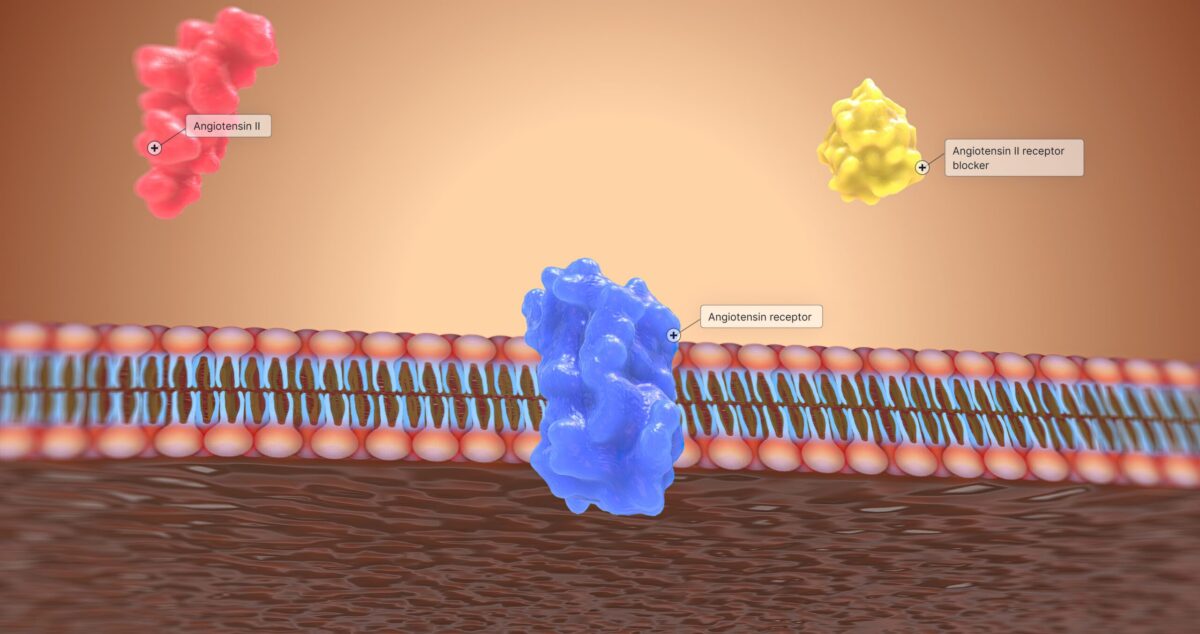
Receptors are, without question, the number one target for medication. These complex protein structures are designed to interact with naturally occurring signaling molecules, known as ligands, like hormones or cytokines. Drugs either support or block this interaction.
How Drugs Interact with Receptors:
- Agonists. These medications mimic or support the function of the natural ligand. A classic example is sympathomimetics, which activate receptors normally stimulated by adrenaline.
- Antagonists. These drugs bind to the receptor but do not activate it, effectively blocking the natural ligand from binding and acting.
Beta-blockers and alpha-blockers fall into this category, reducing the effects of stress hormones.
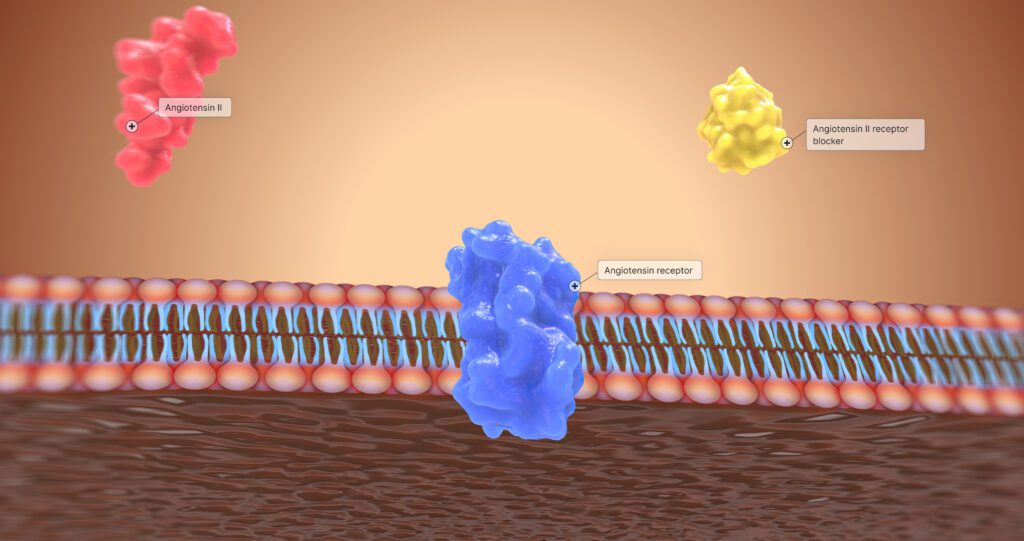
Another key example is the use of angiotensin II blockers to reduce blood pressure by preventing a powerful hormone from constricting blood vessels.
2. Enzymes. Accelerators of Chemical Reactions
Your body contains around 3,000 different enzymes, which are biological catalysts essential for nearly every biochemical reaction. By targeting enzymes, medications can slow down or stop specific metabolic pathways.
Key Enzyme Targets:
- Cyclooxygenase (COX): This is perhaps the most famous enzyme target. Painkillers and anti-inflammatory drugs work by inhibiting COX, reducing inflammation and pain.
- Coagulation Pathway Enzymes: Drugs like Warfarin target the enzyme that activates Vitamin K. By inhibiting this activation, the production of blood clotting factors is reduced, classifying Warfarin as a crucial blood-thinning medication.
3. Ligands. Targeting the Signal Itself
While most drugs target the receptors, some target the ligands—the very molecules that initiate the action. Ligands include hormones, immunoglobulins, and cytokines. By neutralizing the signal molecule before it reaches its target, the action is stopped at the source.

The Rise of Biologics:
- This approach is dominated by biologic medications, especially monoclonal antibodies. These lab-engineered antibodies are highly specific and can target disease-causing ligands, such as inflammatory immunoglobulins (like IgE or IgA), as well as other signal molecules.
- Cancer Microenvironment. Ligands are an increasingly important focus in cancer therapy, where researchers are targeting signaling molecules that promote tumor growth, proliferation, and metastasis.
4. Channels. Transport Gateways
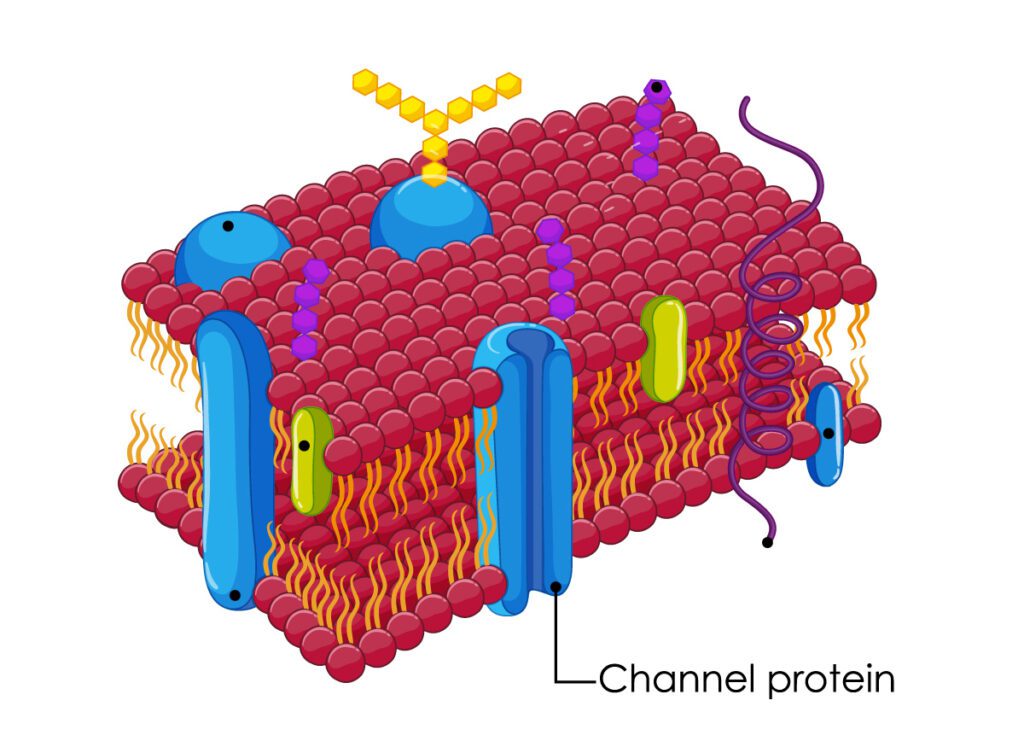
Channels are structures, typically embedded in the cell membrane, that act as highly selective gates, allowing specific ions (like calcium, sodium, or potassium) to flow in and out of the cell.
Channels in Action.
- Calcium Channel Blockers (CCBs). Blocking calcium channels reduces the influx of calcium into smooth muscle cells of blood vessels. This causes the vessels to relax, lowering peripheral resistance and, consequently, reducing blood pressure.
- Insulin Release. CCBs can also affect the calcium channels in the pancreas’s beta cells. The accumulation of calcium inside these cells normally triggers insulin release; medications that counteract this mechanism can reduce insulin secretion.
5. Pumps. When the Gateway Needs More Energy
Pumps are closely related to channels but fundamentally different because they require energy (ATP) to actively move substances against a concentration gradient, often moving molecules in both directions.
Important Pump Targets:
- Proton Pumps. Found in parietal cells of the stomach wall, these pumps are responsible for producing hydrochloric acid. Proton pump inhibitors (PPIs), like omeprazole and pantoprazole, block these pumps, drastically reducing stomach acid and treating conditions like GERD.
- Efflux Pumps. These pumps are a significant concern in antimicrobial resistance. Found in bacteria, they actively remove antibiotics from the bacterial cell, making the drug ineffective.
6. The Nucleus and DNA. The Command Center
The nucleus, which houses the cell’s genetic material (DNA), is the ultimate command center for cell function and replication. Targeting the nucleus directly impacts fundamental processes like transcription and translation.
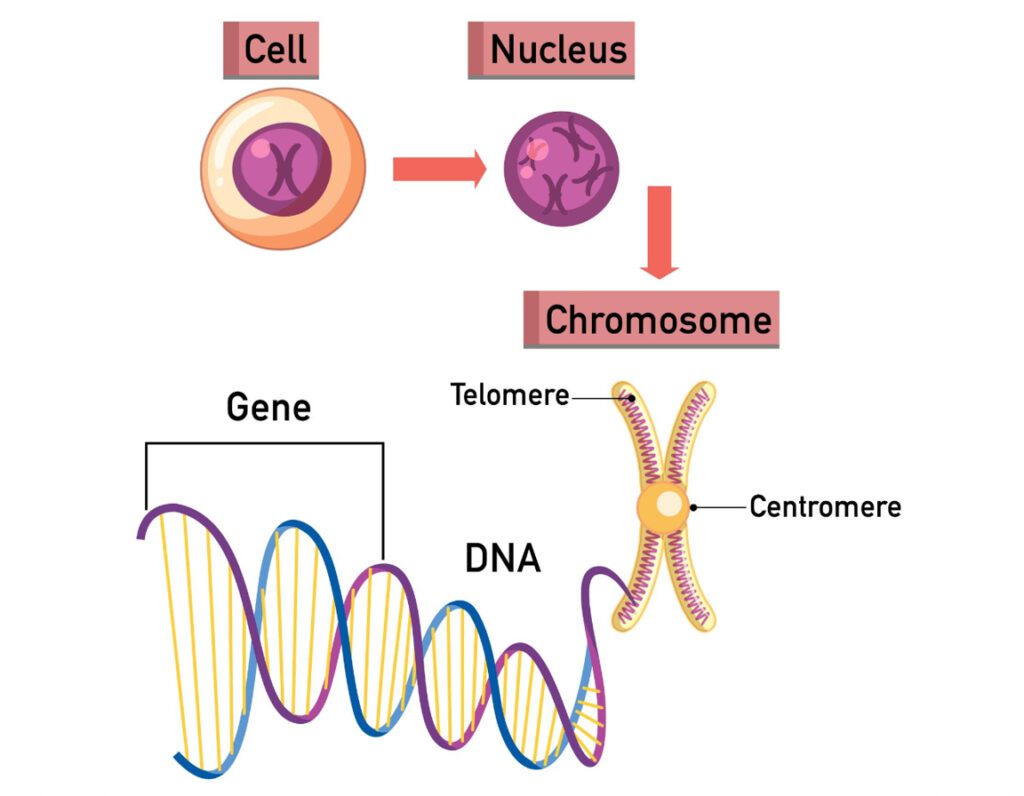
Agents that target the nucleus directly
- Cytostatics (Chemotherapy). These medications form the backbone of cancer therapy. By targeting DNA replication processes, cytostatics disrupt cell division and proliferation. Modern approaches often use monoclonal antibodies to deliver these cytotoxic agents directly to the tumor.
Scientists called them antibody-drug conjugates. - Antimicrobial Agents. Certain antibiotics, such as quinolones and fluoroquinolones, disrupt the bacterial cell’s DNA and mRNA processes, thereby blocking essential protein synthesis.
- Hormones: The body’s own hormones, like cortisol and the thyroid hormones (T3 and T4), directly interact with receptors inside the nucleus to regulate gene expression, transcription, and translation, profoundly affecting metabolism and cell function throughout the body.
Conclusion
From blocking a tiny receptor on a cell surface to disrupting the very DNA in the cell’s nucleus, the sophistication of modern pharmacology is astounding. These six targets—Receptors, Enzymes, Ligands, Channels, Pumps, and the Nucleus—represent the primary battlegrounds where science is harnessed to restore health and fight disease.
The next time you take a medication, remember the intricate, targeted molecular dance happening inside your body, all designed to return you to balance.