Tag: monoclonal antibody

  • 6 Major Targets for the Medications

    6 Major Targets for the Medications

    Have you ever wondered exactly how the medications you take actually work? It’s not magic; it’s molecular biology. Every drug, from a simple over-the-counter painkiller to cutting-edge chemotherapy, must interact with a specific component in your body to produce its therapeutic effect. In pharma science, those biological or chemical structures of your body targeted by medications are called pharmacological targets.

    We’ve identified six common, yet critically important, targets where modern medicine intervenes. Understanding these six biological frontiers provides a clear roadmap of how drugs interact with your body’s complex systems.


    1. Receptors. The Body’s Primary Communication Switches

    Receptors are, without question, the number one target for medication. These complex protein structures are designed to interact with naturally occurring signaling molecules, known as ligands, like hormones or cytokines. Drugs either support or block this interaction.

    How Drugs Interact with Receptors:

    • Agonists. These medications mimic or support the function of the natural ligand. A classic example is sympathomimetics, which activate receptors normally stimulated by adrenaline.
    • Antagonists. These drugs bind to the receptor but do not activate it, effectively blocking the natural ligand from binding and acting.
      Beta-blockers and alpha-blockers fall into this category, reducing the effects of stress hormones.
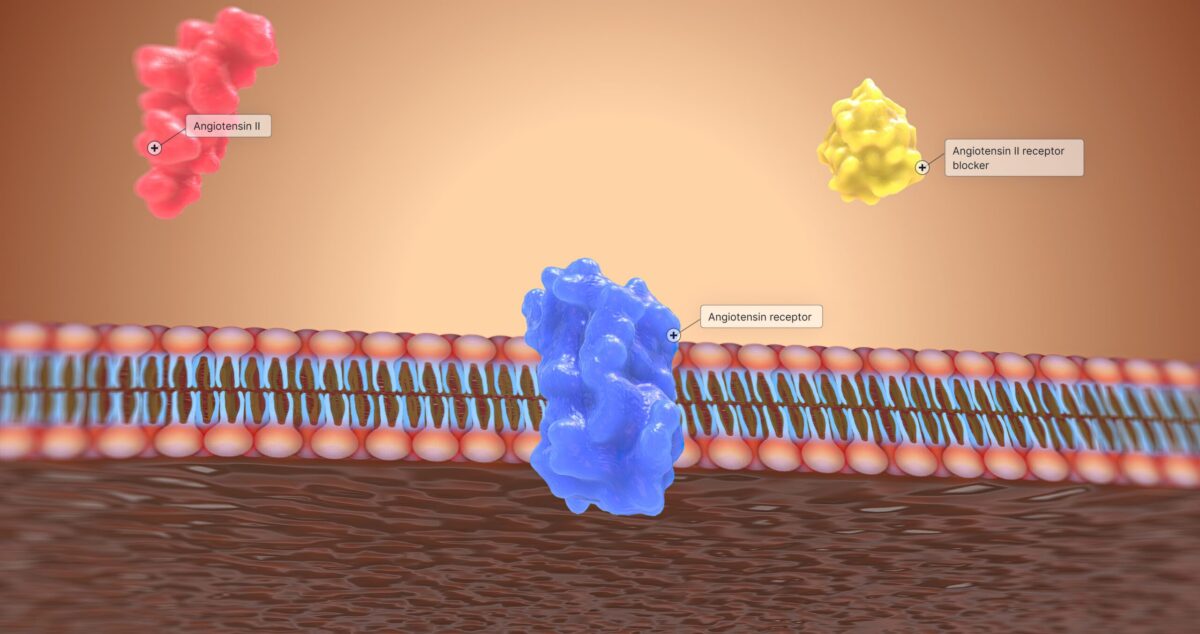
      Another key example is the use of angiotensin II blockers to reduce blood pressure by preventing a powerful hormone from constricting blood vessels.
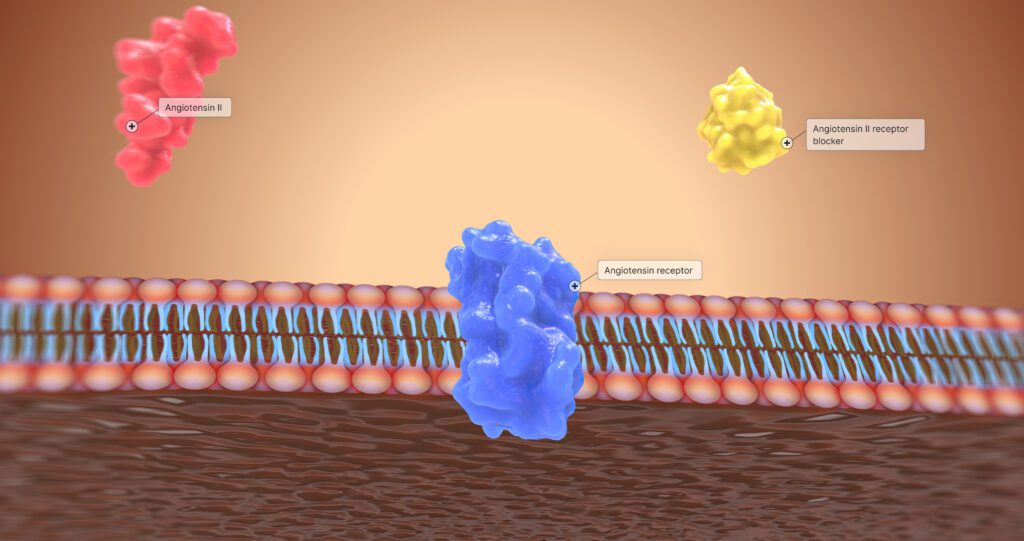
    Angiotensin receptor and blocker
    Work by preventing angiotensin II from binding to receptors

    2. Enzymes. Accelerators of Chemical Reactions

    Your body contains around 3,000 different enzymes, which are biological catalysts essential for nearly every biochemical reaction. By targeting enzymes, medications can slow down or stop specific metabolic pathways.

    Key Enzyme Targets:

    • Cyclooxygenase (COX): This is perhaps the most famous enzyme target. Painkillers and anti-inflammatory drugs work by inhibiting COX, reducing inflammation and pain.
    • Coagulation Pathway Enzymes: Drugs like Warfarin target the enzyme that activates Vitamin K. By inhibiting this activation, the production of blood clotting factors is reduced, classifying Warfarin as a crucial blood-thinning medication.

    3. Ligands. Targeting the Signal Itself

    While most drugs target the receptors, some target the ligands—the very molecules that initiate the action. Ligands include hormones, immunoglobulins, and cytokines. By neutralizing the signal molecule before it reaches its target, the action is stopped at the source.

    Bimzelx is targeting the signaling molecule
    Bimzelx is a monoclonal antibody targeting the interleukin

    The Rise of Biologics:

    • This approach is dominated by biologic medications, especially monoclonal antibodies. These lab-engineered antibodies are highly specific and can target disease-causing ligands, such as inflammatory immunoglobulins (like IgE or IgA), as well as other signal molecules.
    • Cancer Microenvironment. Ligands are an increasingly important focus in cancer therapy, where researchers are targeting signaling molecules that promote tumor growth, proliferation, and metastasis.

    4. Channels. Transport Gateways

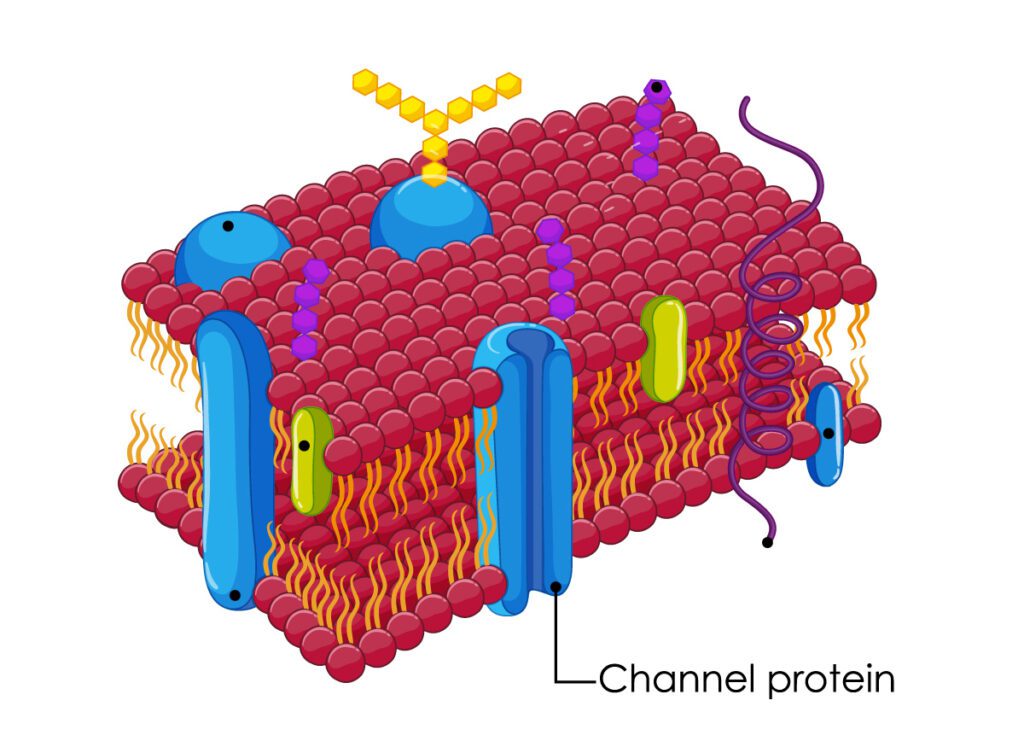
    Channels are structures, typically embedded in the cell membrane, that act as highly selective gates, allowing specific ions (like calcium, sodium, or potassium) to flow in and out of the cell.

    Channels in Action.

    • Calcium Channel Blockers (CCBs). Blocking calcium channels reduces the influx of calcium into smooth muscle cells of blood vessels. This causes the vessels to relax, lowering peripheral resistance and, consequently, reducing blood pressure.
    • Insulin Release. CCBs can also affect the calcium channels in the pancreas’s beta cells. The accumulation of calcium inside these cells normally triggers insulin release; medications that counteract this mechanism can reduce insulin secretion.

    5. Pumps. When the Gateway Needs More Energy

    Pumps are closely related to channels but fundamentally different because they require energy (ATP) to actively move substances against a concentration gradient, often moving molecules in both directions.

    Important Pump Targets:

    • Proton Pumps. Found in parietal cells of the stomach wall, these pumps are responsible for producing hydrochloric acid. Proton pump inhibitors (PPIs), like omeprazole and pantoprazole, block these pumps, drastically reducing stomach acid and treating conditions like GERD.
    • Efflux Pumps. These pumps are a significant concern in antimicrobial resistance. Found in bacteria, they actively remove antibiotics from the bacterial cell, making the drug ineffective.

    6. The Nucleus and DNA. The Command Center

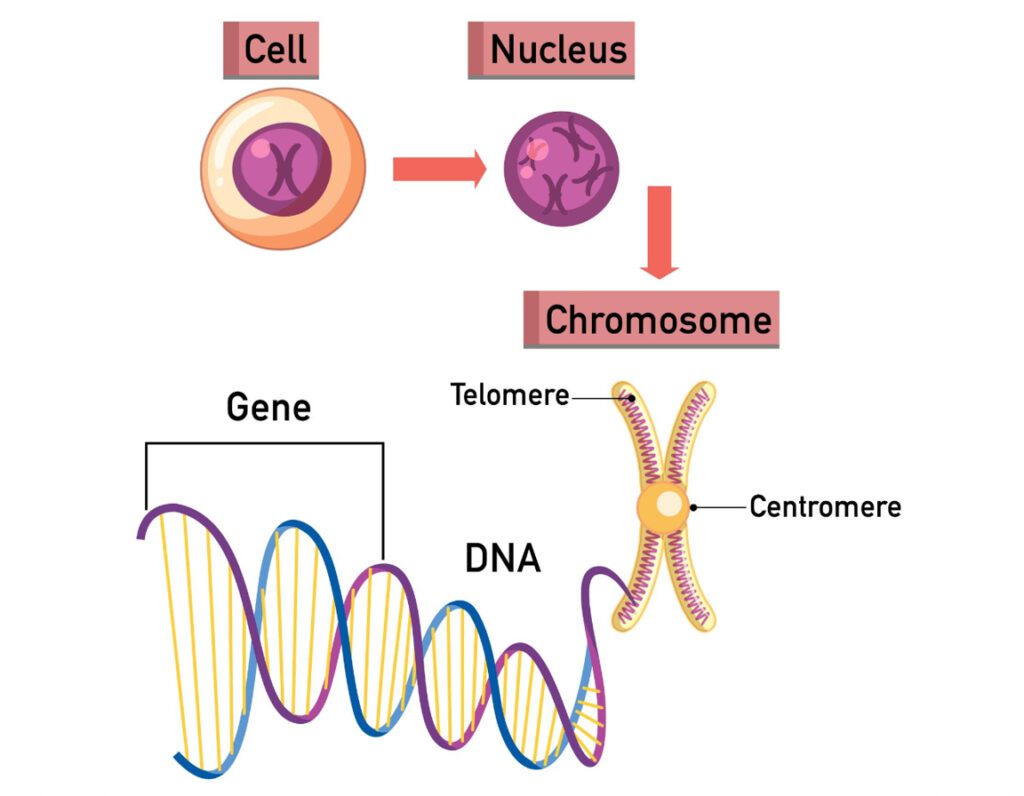
    The nucleus, which houses the cell’s genetic material (DNA), is the ultimate command center for cell function and replication. Targeting the nucleus directly impacts fundamental processes like transcription and translation.

    Agents that target the nucleus directly

    • Cytostatics (Chemotherapy). These medications form the backbone of cancer therapy. By targeting DNA replication processes, cytostatics disrupt cell division and proliferation. Modern approaches often use monoclonal antibodies to deliver these cytotoxic agents directly to the tumor.
      Scientists called them antibody-drug conjugates.
    • Antimicrobial Agents. Certain antibiotics, such as quinolones and fluoroquinolones, disrupt the bacterial cell’s DNA and mRNA processes, thereby blocking essential protein synthesis.
    • Hormones: The body’s own hormones, like cortisol and the thyroid hormones (T3 and T4), directly interact with receptors inside the nucleus to regulate gene expression, transcription, and translation, profoundly affecting metabolism and cell function throughout the body.

    Conclusion

    From blocking a tiny receptor on a cell surface to disrupting the very DNA in the cell’s nucleus, the sophistication of modern pharmacology is astounding. These six targets—Receptors, Enzymes, Ligands, Channels, Pumps, and the Nucleus—represent the primary battlegrounds where science is harnessed to restore health and fight disease.

    The next time you take a medication, remember the intricate, targeted molecular dance happening inside your body, all designed to return you to balance.

  • Bimzelx Mechanism of Action. New mAb to Clear IL-17

    Bimzelx Mechanism of Action. New mAb to Clear IL-17

    Bimzelx (Bimekizumab) is a monoclonal antibody, which calms down inflammation in psoriasis and psoriatic arthritis by binding and blocking two pro-inflammatory molecules:

    • Interleukin-17A (IL-17A)
    • Interleukin-17F (IL-17F)
    Bimzelx (Bimekizumab) targets both interleukins

    Filling two needs with one dead, scientists developed an antibody against a site common for both A and F subtypes of interleukin 17. It allowed bimekizumab to completely shoutdown this signalling molecule from the inflammatory cascade.

    What role Immune System Plays in Psoriasis ?

    Psoriatic rash

    When our immune system attacks our tissues and organs, we call it an autoimmune disease.

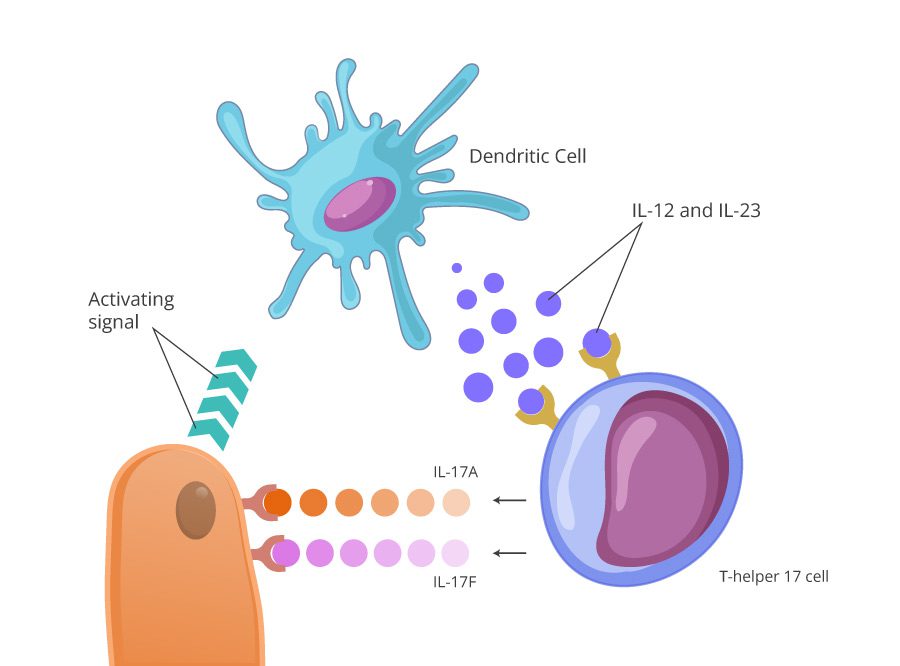
    In psoriasis, the aggression of the immune system begins with the activation of dendritic cells in the skin. Those cells prevent infections from entering the body by engulfing them and presenting their antigens to plasma cells, which then produce bug-specific antibodies.

    Dendritic cells

    Being a first line of defense, they are tightly packed with different signalling molucules, that alert our defence system:

    • TNF-α – tumor necrosing factor alpha
    • Interleukin 12
    • Interleukin 23
    Dendritic cells and IL12 and IL23

    T-helper cells and IL-17

    Interleukins 12 and 23 arouse another important cell in the IL-17 inflammation cascade – T-helper 17 cells (Th17). TH17 cells release six different types of IL-17, which scientists also refer as the IL-17 superfamily.

    The main patriarchs of this family are IL-17A and IL-17F. They have a special landing place on the surface of the keratinocytes, called IL17C receptor (IL17R).

    Keratinocytes

    Besides being a main barrier of our body, kerytonocytes play important role in the immune response. If you cut your skin, you’re guaranteed to damage them. So keratynocytes should have a way to alert immune system about potential breach of skin integrity. They release several important components:

    • antimicrobial peptides to fight infections localy
    • cytokines, and chemokines, that act to reinforce and enhance immune response
    Keratinocytes

    Similar response happen when IL17A and IL17F land on the keratinocyte’s surface. They trigger release of chemicals activating even more dendritic cells. A vicious inflammatory cycle between the immune system and the skin is established, leading to several hallmark changes in psoriatic skin:

    1. Inflammation;
    2. Inflitration of the skin by immune cells;
    3. Keratinocyte proliferation – an accelarated skin cell turnover.

    How Does Bimzelx Work

    Bimekizumab is a humanized monoclonal IgG1 antibody that selectively inhibits interleukin (IL)-17A and IL-17F. Scientists have engineered the fragment antigen-binding (Fab) region to bind interleukins with high affinity. A link antibody + IL-17 squares IL-17 function away.

    So Bimekizumab puts a break on a chain reaction of keratynocyte arousal, leading to postive clinical outcomes:

    • Calming down skin iflammation. The result is a notable decrease in redness, swelling, and discomfort associated with inflammatory skin conditions.
    • Halting abnormal prolifiration of Keratinocytes. Under inflammatory conditions, keratinocytes can multiply excessively, leading to the thick, scaly patches seen in psoriasis. By addressing IL-17 pathways, Bimzelx helps normalize keratinocyte turnover.
    • Turn down autoimmune reponse. Bimzelx reduces this misguided immune response, which chill the psoriasis flare-ups down.

    Approval of FDA and EMA

     Bimekizumab has demonstrated superiority in all direct comparative clinical trials:

    • Superior to ustekinumab (IL-12/23 inhibitor);
    • Better than adalimumab (TNF inhibitor);
    • Superior to secukinumab (IL-17A inhibitor).

    Bimekizumab has received approval from both the FDA and EMA for its use in treating specific inflammatory conditions:

    • Psoriasis
    • Psoriatic arthritis
    • Ankylosing Spondylitis

    Clinical trials and outcome

    In BE OPTIMAL, a multicenter, randomized, double-blind, placebo-controlled trial, Bimekizumab was to placebo in reducing joint, skin, and radiographic signs in patients with psoriatic arthritis who were naive to biologic treatments.

    In one pivotal Phase 3 trial for plaque psoriasis, Bimekizumab demonstrated a higher rate of skin clearance compared to placebo groups. The primary endpoint, measured by the Psoriasis Area and Severity Index (PASI), highlighted that up to 90% of patients achieved at least a 75% reduction in PASI scores. These successful outcomes contributed to its subsequent approval.

    Ankylosing Spondylitis Benefits

    For ankylosing spondylitis, Bimekizumab offers notable benefits. Clinical studies have reported improvements in both objective and subjective measures of disease activity. Patients experienced significant reductions in the Bath Ankylosing Spondylitis Disease Activity Index (BASDAI) scores.

    The drug works effectively to alleviate pain and stiffness associated with active ankylosing spondylitis. In trials, approximately 60-70% of patients reported achieving minimal disease activity after treatment. The sustained responses observed during follow-up periods further underscore its potential as a favorable treatment option for managing this condition.

    Bimzelx Side Effects

    Bimzelx (bimekizumab) can lead to various side effects. Understanding these effects is essential for informed decision-making regarding its use.

    Short-Term Side Effects

    Short-term side effects may occur after administering Bimzelx. Common effects include:

    • Injection site reactions: Redness, itching, or swelling may appear at the injection site.
    • Headache: Some users report experiencing headaches shortly after treatment.
    • Nausea: Gastrointestinal discomfort is another notable concern.
    • Fatigue: Feelings of tiredness can also manifest in some individuals.

    These side effects are typically mild to moderate in severity. They often resolve on their own within a few days. Monitoring your response to the medication is essential.

    Long-Term Safety Considerations

    Long-term safety is a critical aspect of Bimzelx treatment. While many individuals tolerate Bimzelx well, some potential long-term side effects include:

    • Infections: As an immunomodulator, Bimzelx may increase susceptibility to infections.
    • Allergic reactions: Some individuals may develop allergic symptoms, such as rash or swelling.
    • Changes in laboratory results: Regular monitoring of blood counts and liver function may be necessary.

    Discussing these potential outcomes with your healthcare provider is vital. They can help you weigh the benefits against these risks based on your health profile.

    Combinations with guselkumab and future of psoriasis treatment

    Combining Bimekizumab with guselkumab represents a novel approach in psoriasis management. Both medications target different pathways in the immune response, making them suitable for combination therapy.

    • Bimekizumab: Inhibits IL-17A and IL-17F.
    • Guselkumab: Targets IL-23.

    The interaction may enhance treatment efficacy, providing a more effective route for patients with moderate to severe psoriasis. Early studies suggest that dual inhibition can lead to faster and more significant skin clearance.

    You may find that combination therapies can also help mitigate the risk of developing resistance to treatment over time. Personalized medicine remains a key focus, tailoring combinations based on individual patient responses.

    Future studies will likely explore:

    1. Safety profiles: Understanding the long-term effects of combining these therapies.
    2. Efficacy outcomes: Assessing how combinations compare to monotherapies.
    3. Patient preferences: Gauging how patients respond to combined treatment regimens.

    This ongoing research aims to optimize psoriasis management, providing you with more effective and customized treatment strategies. As science evolves, look out for emerging therapies that harness this combination approach.

    Summary of Bimzelx Mechanism of Action

    Bimekizumab is a monoclonal IgG1 antibody that selectively binds to interleukin (IL)-17A and IL-17F. By blocking IL-17 from activating keratinocytes, it calms down the inflammatory and leading to significant improvement of symproms in psoriasis and psoriatic arthritis.

  • Teclistamab Mechanism of Action. Twice more Powerful

    I am Taclistamab, designed in the lab,
    A mighty bi-specific mAb.
    One end binds cancer, holding it tight,
    One end finds T-cells to join the fight.
    I help the immune system take its aim,
    And snipe myeloma, ending its game.

    How Taclistamab helps Immune System to fight Myeloma

    Teclistamab is a new approach of cancer treatment. It has two targets:

    1. CD3 receptor of an immune cell, called T lymphocyte or simply T-cell
    2. B-cell maturation antigen (BCMA) receptors on the surface some cancers, particularly myeloma cells (multiple myeloma).
    Taclistamab bi-specific antibody

    Taclistamab belongs to the broader group of biothechnology drugs, called monoclonal antibodies.

    Scientists refer monoclonal antibodies (mAbs), which can bind two targets simultaneously bispecific mAbs.

    Being bispecific can significantly boost your therapeutic value:

    1. One side of a protein can recognise a cancer
    2. Another can attach to T-cell, which fights this type of cancer

    When you bridge two cells toghether, T-cell would recognise adversary immediately and release cytotoxic chemicals to destoy cancer. The release of cancer DNA and proteins alerts other nearby cells, guiding them directly to the cancer site.

    Talistamab can initiate a strong, self-sustained immune response against multiple myeloma. It makes a drug is crucial for both advanced stage of disease or cases where cancer is resistant to the other more conventional type of treatments.

    Multiple myeloma

    Your bones has tissue, called “bone marrow”. It is a main factory of all blood cells: red (erythrocytes), white (leucocytes), and platelets (thrombocytes).

    Healthy bone marrow illustration
    Healthy bone marrow produces red and white blood cells and platelets

    Normally, your bone marrow produces 100 billion white blood cells each day to protect the body form intruders. Most of them venture to the blood, lymphoid tissues, and other organs. However, one type never leaves the area – B-cells would mature and turn inot the plasma cells. Plasma cells stay in bone marrow.

    Plasma cells are bulky, have a lifespan of 2-3 days, and produce an anourmous number of antibodies. Their main function is to learn about a foe and produce a specific proten to fight it.

    Multiple myeloma is a cancer of plasma cells. Unlike their normal counterparts, myeloma cells exhibit several distinct characteristics:

    • They aggresively multiply through cell division. As their number and volume increases, the pressure builds inside the tight spaces within the leading to pain,bone destructuion, and fractures.
    • They can hijack the supply chain redirecting the blood flow and nutrients to fuel their growth, depriving healthy tissues of the bone marrow. Clinically, it will manifest as an anemia and an immune difficiency.
    • They fabricate abnormal antibodies, called M-protein. M-protein is a junk and doesn’t fight infections. Kidneys try to keep up eliminating it, but at certain levels it would turn into the amyloid deposites in various organs, leading to organ failures.
    Myeloma cells redirects the blood flow and

    Teclistamab Background

    • Teclistamab is a bispecific monoclonal antibody against multiple myeloma.
    • It is classified as a bi-specific T-Cell engager (BiTe)
    • On October 25, 2022, FDA granted accelerated approval to teclistamab-cqyv 
    • It was developed by Janssen Biotech, Inc under the name TECVAYLI®

    Clinical Trials

    FDA granted an accelerated approval based on the clinical trial MajesTEC-1 (NCT03145181; NCT04557098), a single-arm, multi-cohort, open-label, multi-center study.

    Patients, who had previously received at least four more conventional therapies for myeoloma (and still relapsed) have been given the taclistamab. Among 110 in the treatment group, 61.8% acheived a partial or complete remission.

    Mechanism of Action

    The drug targets the B-cell maturation antigen (BCMA) on malignant plasma cells and CD3 on T cells.

    CD3 is protein specific to normal T-cells. It has three chains with the longest having a similar structure to antibody. Tha’s why CD3 belongs to antibody superfamily.

    It triggers an initiall stage of immune reaction, so many scientists consider it “a gas or a brakes” of an immune cascade.

    Step 1. Activation of T-Cells

    Upon binding to CD3, T-cells undergo activation, leading to several crucial responses:

    • Increase in cytokine production, especially interferon-gamma and tumor necrosis factor-alpha.
    • Being cytotoxic, different cytokines recruite even more immune cells to the cancer site.

    Once several cancer cells are destroyed and their by-products enter the bloodstream, more immune cells get attracted by the myeloma site. Scientists call this phenomena amplification of immune response.

    This amplification of the immune response is essential for improving therapeutic outcomes but also reponsible for serous side effects, such as Cytokine release syndrome and Immune Effector Cell-Associated Neurotoxicity Syndrome (ICANS).

    Step 2. Binding to the Myeloma Cell

    BCMA is a valid theraupeutic target, as health plasma cells do not usually express them, while myeloma cells enjoy this “decorum” on their membraines. BCMA helps cancer cell to survive and proliferate.

    Taclistamab cancer demise

    The activation and proliferation of T-cells lead to a direct cytotoxic effect on myeloma cells. Once activated, T-cells release perforins and granzymes, inducing apoptosis in targeted cancer cells.

    The localized action of teclistamab allows for effective tumor cell elimination while sparing surrounding healthy tissue. This targeted approach maximizes therapeutic benefits and minimizes adverse effects, contributing to an effective treatment for multiple myeloma.

    Clinical use of Teclistamab

    Teclistamab plays a significant role in treating multiple myeloma, particularly for patients with limited treatment options. This section outlines its place in therapy and the recommended treatment regimen.

    Place of Teclistamab in Myeloma Treatment

    Teclistamab is indicated for patients with relapsed or refractory multiple myeloma who have received at least four prior lines of therapy:

    • liproteasome inhibitors;
    • immunomodulatory agents;
    • anti-CD38 therapies.

    The drug targets B-cell maturation antigen (BCMA), which is critical myeloma life cycle. Solid results from the clinical trials inspire an optimism among researchers and clinicians, suggesting they may soon have a tool to target resistant cancer — a potential breakthrough.

    Treatment Regimen and Dosage

    Teclistamab is typically administered via subcutaneous (under the skin) injection. The initial dose is 1500 µg, followed by maintenance doses of 750 µg.

    Dosing is conducted every week for the first month and then once every two weeks. It’s essential to monitor for potential adverse effects, which may include cytokine release syndrome (CRS).

    Careful patient selection and monitoring can help maximize the benefits of teclistamab while minimizing risks. Regular follow-ups ensure timely management of side effects and dosage adjustments if necessary.

    Teclistamab Side Effects

    Teclistamab can lead to a variety of side effects. Understanding these effects is crucial for managing them effectively during treatment.

    Cytokine Release Syndrome

    Cytokine Release Syndrome (CRS) is a common reaction associated with Teclistamab. It occurs when the immune system is activated rapidly upon exposure to the drug.

    You may experience symptoms ranging from mild to severe.

    Common symptoms include:

    • Fever
    • Chills
    • Nausea
    • Fatigue
    • Headache

    Severe cases can lead to hypotension and difficulty breathing. Monitoring for signs of CRS is essential, particularly in the days following administration.

    CRS Symptoms

    Symptoms of CRS can manifest quickly, often within hours of treatment. Early recognition is key to managing this reaction.

    Mild symptoms may resolve with supportive care.

    Severe reactions might require treatment interventions such as corticosteroids or anti-inflammatory medications. If symptoms worsen, it is vital to contact your healthcare provider immediately.

    Immune Effector Cell-Associated Neurotoxicity Syndrome (ICANS)

    Immune Effector Cell-Associated Neurotoxicity Syndrome (ICANS) is another serious potential side effect of Teclistamab. This condition can affect the central nervous system and may occur concurrently with CRS.

    Symptoms typically include confusion, difficulty speaking, or seizures. The severity of ICANS can vary, and monitoring is crucial.

    If you notice any neurological changes, communicate these to your healthcare team.

    Management may involve steroid treatment or close observation depending on severity. Your doctor will determine the best approach based on your specific situation.

    Teclistamab and Future of Myeloma Treatment

    Teclistamab represents a significant advance in myeloma treatment. It targets both B-cell maturation antigen (BCMA) and CD3, engaging T-cells to attack myeloma cells.

    Key Benefits:

    • Dual-target mechanism: By targeting BCMA, teclistamab effectively directs the immune response against malignant plasma cells.
    • Durable responses: Early studies suggest that this therapy can lead to prolonged remission in patients with previously treated myeloma.

    Clinical Trials:

    Ongoing trials are investigating teclistamab’s efficacy and safety compared to standard treatments. These studies are crucial for understanding its role in the treatment landscape.

    Considerations for Clinicians:

    • Combination therapies: Teclistamab may be used in combination with other treatments, enhancing its effectiveness.
    • Diverse patient populations: It is being tested across various stages of myeloma, which may broaden its applicability.

    Future Implications:

    As more data emerges, teclistamab could redefine treatment protocols. Its innovative approach may lead to new standards of care in managing myeloma, offering more avenues for relapsing and resistant cases of this cancer.

    Summary of mechanism of Action of Taclistamab

    Teclistamab has two binding sites, that brings two cells toghether:

    • Our foe, containing BCMA (B-cell maturation antigen)
    • Our friend, expressing CD3 on T-cells

    This dual-targeting capability allows the antibody to bridge the gap between T-cells and malignant cells effectively.

    This bridging facilitates a localized immune response, directing T-cells precisely where they are needed. The specialized design of teclistamab enhances its ability to engage the immune system directly against tumor cells while minimizing damage to normal tissues.