Author: Dr Alex

  • How do diuretics work?

    Diuretics are a diverse group of medications designed to target the nephron to significantly impact urination. Often referred to casually as “water pills,” these pharmacological agents are the cornerstone of managing conditions ranging from hypertension to heart failure.

    While the term suggests a simple function—making you pee—the mechanism is a sophisticated biological bio-hack. These drugs effectively convince the kidneys to release excess fluids and salts (electrolytes) that are accumulating in the body’s tissues, reducing blood volume and easing the workload on the heart.

    How Urination Works: The Physiology of Flow

    To understand how these drugs work, we first have to understand the natural process they interrupt. Urination is not merely a passive plumbing issue; it is the final result of a complex filtration and balancing act performed by your kidneys. The kidneys process about 180 liters of blood-derived fluid every day, yet we only excrete about 1.5 liters as urine. Where does the rest go? It gets reabsorbed back into the bloodstream.

    The golden rule of renal physiology is simple: Water follows salt (sodium).

    Under normal conditions, the kidneys filter blood to remove waste, but they aggressively reclaim sodium and water because the body wants to maintain blood pressure and hydration. If the kidneys reabsorb sodium, water flows right back into the blood vessels with it. If the kidneys leave sodium in the tubules, water stays there too, eventually ending up in the bladder. This delicate dance of filtration, reabsorption, and secretion dictates urine volume.

    What is a Nephron?


    Nephron structure

    The nephron is the functional unit of the kidney—the microscopic machinery where the magic happens. Each kidney contains approximately one million nephrons. Structurally, the nephron is a long, twisting tube surrounded by blood vessels. It is divided into distinct segments, each with a specialized job in handling electrolytes and water:

    • The Glomerulus: The sieve where blood is initially filtered.
    • The Proximal Convoluted Tubule (PCT): Where most reabsorption happens (sugar, sodium, bicarbonate).
    • The Loop of Henle: A U-shaped loop responsible for concentrating urine.
    • The Distal Convoluted Tubule (DCT): Fine-tuning of sodium and calcium.
    • The Collecting Duct: The final processing plant where final water adjustments are made before urine exits.

    For more detailed anatomical diagrams and physiological breakdowns, you can visit the National Institute of Diabetes and Digestive and Kidney Diseases.

    How Do Different Diuretics Affect the Nephron?

    So, how do furosemide, bumetanide, torsemide, hydrochlorothiazide, chlorthalidone, spironolactone, triamterene, amiloride, mannitol, acetazolamide, canagliflozin, dapagliflozin, and empagliflozin affect the nephron? The answer lies in “location, location, location.”

    These drugs act as specific inhibitors at different segments of the nephron. They essentially sabotage the kidney’s ability to reabsorb sodium (or glucose, in the case of SGLT2 inhibitors). By blocking the transporter proteins that usually drag salt back into the blood, these drugs force the salt to stay in the urine. Because water follows salt, the water also stays in the urine, leading to increased volume output (diuresis). The specific clinical effect, potency, and side effects depend entirely on which part of the nephron the drug targets.

    Acetazolamide: The Carbonic Anhydrase Inhibitor

    Acetazolamide acts at the very beginning of the nephron, in the Proximal Convoluted Tubule (PCT). It works by inhibiting an enzyme called carbonic anhydrase. This enzyme is crucial for reabsorbing bicarbonate (HCO3-). When acetazolamide blocks this enzyme, the body dumps bicarbonate and sodium into the urine.

    Because it acts so early in the nephron, the distal segments often compensate for the sodium loss, making acetazolamide a fairly weak diuretic for fluid removal. However, it is unique because it causes the urine to become alkaline. This makes it incredibly useful for treating metabolic alkalosis or altitude sickness, rather than just simple fluid overload.

    Mannitol: The Osmotic Diuretic

    Mannitol operates differently than most other diuretics. It doesn’t target a specific receptor or transport pump. Instead, Mannitol is a sugar alcohol that gets filtered into the nephron but cannot be reabsorbed. It acts almost like a magnet for water. It sits in the Proximal Tubule and the Loop of Henle and exerts high osmotic pressure, holding water in the tubule so it can’t escape back into the blood.

    Mannitol is rarely used for high blood pressure. Its primary role is in emergency settings, such as reducing intracranial pressure after head trauma or lowering intraocular pressure in acute glaucoma. It forces fluid out of tissues and into the bloodstream to be excreted by the kidneys.

    Furosemide: The Loop Diuretic Standard

    Moving to the Loop of Henle, specifically the thick ascending limb, we meet the heavy hitters: the Loop Diuretics. Furosemide is the most commonly prescribed drug in this class. It works by blocking the Na+/K+/2Cl- co-transporter. This transporter is responsible for reabsorbing about 25% of the filtered sodium load.

    By shutting this door, furosemide unleashes a massive flood of sodium and water. It is incredibly potent—often termed a “high-ceiling” diuretic because increasing the dose continues to increase the diuretic effect. It is the go-to drug for acute pulmonary edema and heart failure.

    Bumetanide: Potency in a Small Package

    Bumetanide is chemically related to furosemide and works on the exact same transporter in the Loop of Henle. However, bumetanide is significantly more potent on a milligram-for-milligram basis (roughly 40 times more potent than furosemide). It is often utilized when patients are not responding well to furosemide or have severe swelling (edema) that requires a more aggressive approach. Despite the potency difference, the mechanism remains the inhibition of sodium-potassium-chloride reabsorption.

    Torsemide: The Longer-Acting Loop

    Torsemide is the third major player in the loop diuretic family. Like its cousins, it blocks the Na+/K+/2Cl- transporter in the ascending Loop of Henle. The distinct advantage of torsemide is its bioavailability and duration of action. While furosemide’s absorption can be erratic (especially in patients with gut edema from heart failure), torsemide is absorbed much more reliably and stays in the system longer. This makes it an excellent option for chronic management of heart failure, potentially preventing re-hospitalizations better than furosemide in certain populations.

    Hydrochlorothiazide: The Hypertension Staple

    Moving past the loop, we arrive at the Distal Convoluted Tubule (DCT). Here we find the Thiazide diuretics, with Hydrochlorothiazide (HCTZ) being the most recognizable name. HCTZ inhibits the Na+/Cl- co-transporter. Because the DCT only reabsorbs about 5% to 10% of sodium, thiazides are less potent than loop diuretics regarding fluid removal.

    However, this “gentle” action makes them perfect for long-term blood pressure control. They relax blood vessels over time and reduce fluid volume just enough to maintain healthy pressure without dehydrating the patient rapidly. For comprehensive guidelines on hypertension management using these agents, the American Heart Association offers extensive resources.

    Chlorthalidone: The Thiazide-Like Powerhouse

    Chlorthalidone is technically structurally different from thiazides, so it is often called “thiazide-like,” but it targets the same Na+/Cl- transporter in the DCT. In recent years, pharmacology experts have favored chlorthalidone over HCTZ for high blood pressure. Why? Because of its half-life.

    Chlorthalidone lasts a very long time in the body (up to 24-72 hours), ensuring that blood pressure is controlled consistently through the night and into the next morning. HCTZ can wear off more quickly. This sustained action makes chlorthalidone highly effective for reducing cardiovascular events like strokes and heart attacks.

    Spironolactone: The Aldosterone Antagonist

    As we reach the end of the nephron—the Collecting Duct—we encounter the Potassium-Sparing diuretics. Most diuretics discussed so far cause the body to lose potassium, which can be dangerous for heart rhythm. Spironolactone solves this by working as an antagonist to aldosterone.

    Aldosterone is a hormone that tells the kidney to save sodium and dump potassium. Spironolactone blocks this hormone’s receptor. The result? The kidney dumps sodium (and water) but holds onto potassium. It is widely used not just for diuresis, but for its hormonal effects in heart failure and liver cirrhosis.

    Triamterene: The Direct ENaC Blocker

    Triamterene is another potassium-sparing agent acting in the late distal tubule and collecting duct. Unlike spironolactone, it does not rely on hormones. Instead, it directly blocks the Epithelial Sodium Channel (ENaC). By plugging this channel, it prevents sodium reabsorption.

    Because sodium isn’t reabsorbed, the electrical gradient that usually forces potassium out into the urine is disrupted. Consequently, potassium stays in the blood. Triamterene is rarely used alone; you will almost always see it combined with HCTZ (a combo pill) to counteract the potassium loss caused by the thiazide.

    Amiloride: The Other ENaC Blocker

    Amiloride functions almost identically to triamterene. It is a direct blocker of the Epithelial Sodium Channel (ENaC) in the collecting duct. It is a mild diuretic when used alone. Its primary utility in pharmacology is its ability to “spare” potassium.

    Clinicians often add amiloride to a regimen involving loop or thiazide diuretics to maintain neutral potassium levels. It is also used in specific conditions like Liddle’s syndrome (a genetic disorder of hypertension) or lithium-induced nephrogenic diabetes insipidus.

    Canagliflozin: The SGLT2 Inhibitor

    We now enter the modern era of diuretics with the SGLT2 inhibitors (“flozins”). Canagliflozin works in the Proximal Convoluted Tubule, the same area as acetazolamide, but with a totally different target. It inhibits the Sodium-Glucose Cotransporter 2 (SGLT2).

    Normally, the kidney reabsorbs 100% of filtered glucose. Canagliflozin blocks this, causing glucose to spill into the urine. Since glucose is an osmotic particle, it pulls water with it (osmotic diuresis). Originally designed for Type 2 Diabetes to lower blood sugar, it was found to have profound benefits for heart failure and kidney protection.

    Dapagliflozin: Beyond Diabetes

    Dapagliflozin shares the same mechanism as canagliflozin: blocking SGLT2 in the proximal tubule to promote glucose and water excretion. By reducing the volume of fluid in the blood and reducing sodium retention, it lowers the workload on the heart.

    Dapagliflozin has become a superstar in treating heart failure with reduced ejection fraction, even in patients who do not have diabetes. It represents a shift in thinking—using a diuretic mechanism not just to “dry out” a patient, but to fundamentally alter the metabolism and hemodynamics of the kidney and heart.

    Empagliflozin: Kidney and Heart Protection

    Empagliflozin is the third major SGLT2 inhibitor. Like its siblings, it acts on the proximal tubule to block glucose reabsorption. The resulting diuresis helps lower blood pressure and improve weight management.

    However, the fame of Empagliflozin comes from landmark studies showing it significantly reduces cardiovascular death and slows the progression of chronic kidney disease. While technically a “diuretic” because it increases urine output, it is now viewed as a foundational pillar of cardiorenal therapy.

    Comparison of Diuretic Agents

    Since we have covered a wide array of medications, here is a breakdown of how they compare regarding their site of action and primary mechanism.

    Drug ClassSpecific DrugsNephron TargetPrimary Mechanism
    Loop DiureticsFurosemide, Bumetanide, TorsemideThick Ascending Limb (Loop of Henle)Inhibits Na+/K+/2Cl- cotransporter. Highly potent fluid removal.
    Thiazide / Thiazide-likeHydrochlorothiazide, ChlorthalidoneDistal Convoluted Tubule (DCT)Inhibits Na+/Cl- cotransporter. Mainstay for blood pressure.
    Potassium-Sparing (Aldosterone Antagonists)SpironolactoneCollecting DuctBlocks Aldosterone receptors. Saves potassium, dumps sodium.
    Potassium-Sparing (ENaC Blockers)Triamterene, AmilorideCollecting DuctDirectly blocks sodium channels. Mild diuresis, prevents hypokalemia.
    Carbonic Anhydrase InhibitorsAcetazolamideProximal Convoluted Tubule (PCT)Inhibits Carbonic Anhydrase. Causes bicarbonate excretion (alkaline urine).
    Osmotic DiureticsMannitolPCT and Loop of HenleIncreases osmolarity of filtrate, holding water in the tubule.
    SGLT2 InhibitorsCanagliflozin, Dapagliflozin, EmpagliflozinProximal Convoluted Tubule (PCT)Blocks glucose reabsorption. Glucose pulls water out (Osmotic diuresis).

    Understanding these mechanisms allows healthcare providers to mix and match these drugs—a strategy called “sequential nephron blockade”—to overcome diuretic resistance and manage complex fluid disorders efficiently.

  • Pertuzumab Mechanism of Action. New Hope – Old target

    Table of Contents

    Scientists and researchers have their odd ways of solving problems, and when they team up with one of the biggest biotech companies, their ideas can go beyond research papers—and become real-world solutions we get to see.

    Brief History of Pertuzumab

    Pertuzumab (Parjeta) is a clear example of a scientific and marketing genius. It entered the market in 2012 to treat breast cancer in combination with Herceptin (trastuzumab) and one of the taxenes (a group of chemotherapeutic agents).

    So what is so interesting about pertuzumab?

    Genentech has marketed Herceptin (Trastuzumab) in 1998. It was a scientific and clinical breakthrough. Trastuzumab became the first monoclonal antibody to target the HER-2 receptor on the surface of the cancer cells. It made the company billions of dollars and cemented itself as a standard of care.

    Trastuzumab secret

    Although Herceptin delivered the expectation of improving clinical outcomes for many patients with breast cancer, scientists were particularly unsettled with one trastuzumab issue – they do not exactly know how it works!

    Trastuzumab and HER2

    Trastuzumab binds the Human Epidermal Growth factor Receptor-2 ( HER-2), which is found in every fifth case of breast cancer. Breast cancer cells express HER-2 to survive, grow, and spread, which makes HER-2 an attractive target for targeted agents and chemotherapy.

    The tigh has formed, but the process, which follows next is still a subject of the scientific debate. The research community has identified four most probable scenarios:

    • It stops the process of heterodimerization of HER-2;
    • It adds phosphorus to the HER-2 protein;
    • It facilitates the removal of the HER-2 from the cell surface;
    • It attracts immune cells that destroy cancer.

    Heterodimerization

    HER-2 is a unique protein in the family of four tyrosine kinases. All representatives exist in two forms:

    • Monomer or inactive form.
    • Dimer form or active form. The dimer is essentially two monomers bonded together.

    HER-2 cannot cannot bind another HER-2, it can only bind other members of the family (usually HER-1 or HER-3). The process is called heterodimerization, and it is crucial for activating cancer growth, expansion, and

    Another way, scientists thought Herceptin works is by invoking a phosphorylation of the HER-2 receptor. Phosphorylation is adding a phosphorus residue to one of the amino acids (usually tyrosine). Phosphorylation makes HER-2 less stable and overall leads to a better prognosis for cancer patients.

    More recent studies suggest that trastuzumab facilitates endocytosis of the HER-2 receptor – the cancer cells just swallow their receptors removing it from the surface.

    Finally, some scientists believe trastuzumab binds the HER-2 receptor and “calls” the immune system to fight cancer cells. This theory is supported by microscopic evidence – cancer tissues treated with trastuzumab, were heavily infiltrated by different immune cells.

    Pertuzumab is an “open book” for researchers.

    Similar to trastuzumab, pertuzumab is a monoclonal antibody, that binds HER-2 receptor. Unlike its “enigmatic friend, trastuzumab’s mechanism of action is clear – upon binding the target, it prevents dimerization of HER-2.

    Pertuzumab in action

    Pertuzumab Basics

    Pertuzumab is a humanized monoclonal antibody primarily used in cancer therapy. It targets the HER2 receptor, playing a crucial role in inhibiting tumor growth in HER2-positive breast cancer. Understanding its classification and properties helps in appreciating its impact on treatment.

    Classification and Overview

    Pertuzumab is classified as a recombinant humanized monoclonal antibody. It specifically targets the extracellular domain II of the HER2 receptor.

    This mechanism blocks dimerization with other HER family receptors, inhibiting downstream signaling pathways. Pertuzumab is used in combination with trastuzumab and chemotherapy to enhance therapeutic efficacy.

    It is particularly effective in treating metastatic breast cancer and has been shown to improve survival rates in patients.

    Chemical and Biological Properties

    Pertuzumab has a molecular weight of approximately 148 kDa. It is composed of 4 heavy chains and 4 light chains, which form its unique structure.

    The drug is produced using recombinant DNA technology in Chinese hamster ovary cells. Pertuzumab’s stability and half-life allow for effective dosing in clinical settings.

    Administration is typically via intravenous infusion, with dosages tailored to the patient’s specific needs. Understanding these properties is essential for optimizing its therapeutic use.

    Mechanism of Action

    Pertuzumab acts through a specific mechanism involving multiple interactions with HER2 receptors, playing a significant role in cancer treatment. Its primary functions include binding to HER2 receptors, inhibiting dimerization, and enhancing immune responses.

    Binding to HER2 Receptors

    Pertuzumab binds selectively to the extracellular domain of the HER2 receptor. This process blocks the receptor’s ability to interact with other molecules involved in cell signaling.

    The binding alters how cancer cells receive growth signals. By preventing HER2 signaling, pertuzumab reduces proliferation and survival of these cancerous cells. Clinically, this provides an effective strategy in treating HER2-positive breast cancer.

    Inhibition of HER2 Dimerization

    Dimerization is crucial for HER2 function. Pertuzumab prevents HER2 from forming dimers with other related receptors, such as HER3. This inhibition is essential because dimerization activates pathways that promote tumor growth.

    Blocking this process disrupts signaling networks that would otherwise support cancer cell survival. The result is decreased cell division and increased apoptosis in tumor cells, enhancing therapeutic outcomes.

    Activation of Antibody-Dependent Cellular Cytotoxicity

    Pertuzumab also enhances immune response through antibody-dependent cellular cytotoxicity (ADCC). The binding of pertuzumab to HER2 helps recruit immune cells.

    These immune cells, such as natural killer (NK) cells, are activated to target and destroy HER2-expressing cancer cells. This mechanism provides an additional layer of antitumor activity, contributing to the effectiveness of pertuzumab in HER2-positive cancers.

    Trastuzumab with Pertuzumab

    The combination of trastuzumab and pertuzumab has become an important strategy in the treatment of HER2-positive breast cancer. This section explores how these two therapies work together to improve patient outcomes.

    Breast Cancer Treatment

    Trastuzumab, a monoclonal antibody, specifically targets the HER2 receptor, blocking signaling pathways that promote cancer cell growth. Pertuzumab also targets HER2 but binds to a different site, preventing receptor dimerization, which is essential for activating downstream signaling.

    When used together, these agents enhance therapeutic efficacy. Studies have shown that their combination leads to improved progression-free survival rates in patients with early-stage and metastatic HER2-positive breast cancer.

    This dual blockade not only targets the cancer more effectively but may also reduce the chances of resistance. The synergy between trastuzumab and pertuzumab represents a significant advancement in personalized cancer treatment, offering hope to many patients.

    Clinical Efficacy

    Pertuzumab has demonstrated significant clinical efficacy in the treatment of certain cancers, notably HER2-positive breast cancer. Its unique mechanism of action enhances the effectiveness of standard therapies. This section details relevant clinical trials, survival and response rates, and its comparison with other treatments.

    Relevant Clinical Trials

    Several key clinical trials have assessed the efficacy of pertuzumab in combination with trastuzumab and chemotherapy. The pivotal study, CLEOPATRA, involved over 800 patients and reported a significant improvement in progression-free survival (PFS). Patients receiving pertuzumab showed a median PFS of 18.5 months, compared to 12.4 months for those receiving the control regimen.

    Clinical Data

    Moreover, results from the APHINITY trial indicated a similar benefit in the adjuvant setting, where pertuzumab combined with trastuzumab increased the invasive disease-free survival compared to trastuzumab alone. These findings underline the drug’s role in improving outcomes for patients with HER2-positive breast cancer.

    Survival and Response Rates

    Pertuzumab has significantly enhanced survival rates among treated patients. In the CLEOPATRA trial, the addition of pertuzumab resulted in an overall survival rate of 86% at three years, compared to 84% for the control group. This difference highlights its impact on long-term outcomes.

    Response rates also reflect its efficacy. In the APHINITY trial, a notable 94.1% of patients exhibited a pathologic complete response when treated with both pertuzumab and trastuzumab preoperatively. These figures demonstrate its effectiveness in promoting favorable responses.

    Comparison to Other Treatments

    When compared to traditional therapies, pertuzumab shows improved efficacy in HER2-positive cancer management. For instance, the combination of pertuzumab and trastuzumab performs better than trastuzumab alone, resulting in improved PFS and overall survival rates.

    Other HER2-targeted therapies, such as lapatinib, provide different mechanisms but often have lower response rates. Studies have shown that patients on pertuzumab plus chemotherapy benefit from a robust treatment regimen, positioning it as a critical option in therapy for HER2-positive cancers.

    Future Directions in Research

    Research on pertuzumab continues to expand, focusing on ongoing clinical trials and exploring potential new therapeutic indications. These efforts aim to enhance understanding of its effectiveness and broaden its application.

    Ongoing Clinical Trials

    Numerous clinical trials are currently assessing the efficacy and safety of pertuzumab in various cancer types. One significant trial is investigating its use combined with trastuzumab and chemotherapy for HER2-positive breast cancer.

    Additional studies are exploring the sequencing of pertuzumab with other novel agents, such as immune checkpoint inhibitors, to evaluate potential synergistic effects. This research may offer insights into improved patient outcomes through combination therapies.

    Researchers are also examining different dosing regimens and administration methods to optimize treatment schedules. These trials aim to understand patient response based on specific biomarkers and genetic profiles.

    Potential New Indications

    Beyond breast cancer, there is growing interest in using pertuzumab for other malignancies. Investigations are underway to determine its effectiveness in gastroesophageal cancers, where HER2 overexpression is present.

    Researchers are also testing pertuzumab in combination with targeted therapies for lung and ovarian cancers. Exploring its role in these contexts may uncover new therapeutic avenues for patients who have limited options.

    Additionally, studies are exploring pertuzumab’s potential in neoadjuvant settings, where it could be used before surgery to shrink tumors. This could enhance surgical outcomes and improve long-term prognosis for patients.

  • 6 Major Targets for the Medications

    6 Major Targets for the Medications

    Have you ever wondered exactly how the medications you take actually work? It’s not magic; it’s molecular biology. Every drug, from a simple over-the-counter painkiller to cutting-edge chemotherapy, must interact with a specific component in your body to produce its therapeutic effect. In pharma science, those biological or chemical structures of your body targeted by medications are called pharmacological targets.

    We’ve identified six common, yet critically important, targets where modern medicine intervenes. Understanding these six biological frontiers provides a clear roadmap of how drugs interact with your body’s complex systems.


    1. Receptors. The Body’s Primary Communication Switches

    Receptors are, without question, the number one target for medication. These complex protein structures are designed to interact with naturally occurring signaling molecules, known as ligands, like hormones or cytokines. Drugs either support or block this interaction.

    How Drugs Interact with Receptors:

    • Agonists. These medications mimic or support the function of the natural ligand. A classic example is sympathomimetics, which activate receptors normally stimulated by adrenaline.
    • Antagonists. These drugs bind to the receptor but do not activate it, effectively blocking the natural ligand from binding and acting.
      Beta-blockers and alpha-blockers fall into this category, reducing the effects of stress hormones.
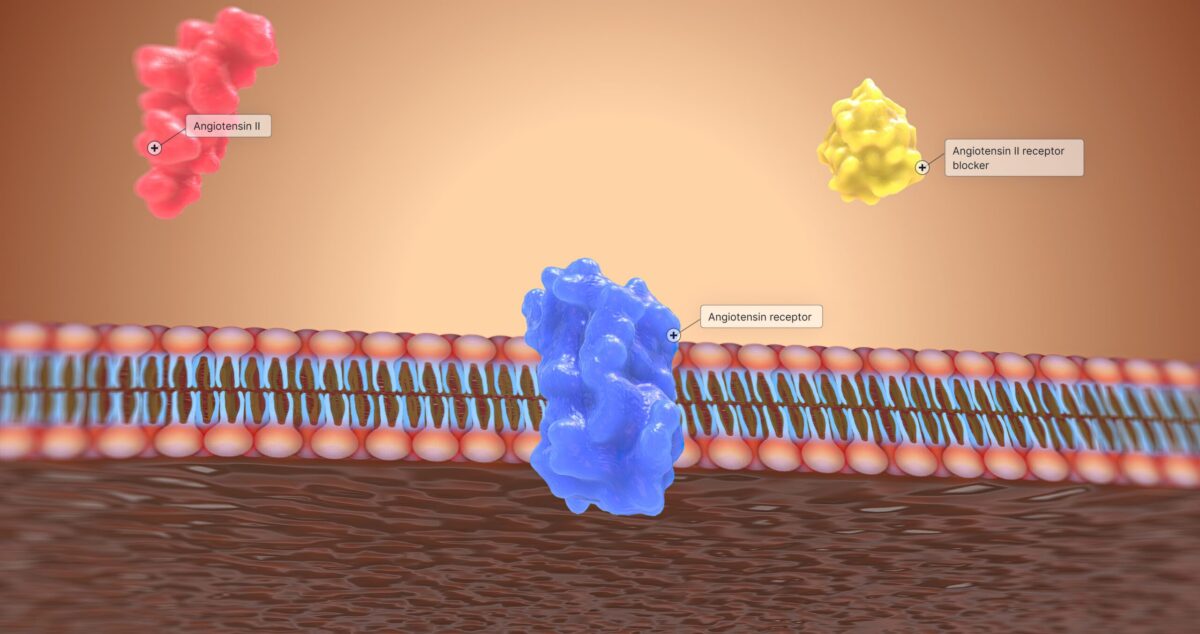
      Another key example is the use of angiotensin II blockers to reduce blood pressure by preventing a powerful hormone from constricting blood vessels.
    Angiotensin receptor and blocker
    Work by preventing angiotensin II from binding to receptors

    2. Enzymes. Accelerators of Chemical Reactions

    Your body contains around 3,000 different enzymes, which are biological catalysts essential for nearly every biochemical reaction. By targeting enzymes, medications can slow down or stop specific metabolic pathways.

    Key Enzyme Targets:

    • Cyclooxygenase (COX): This is perhaps the most famous enzyme target. Painkillers and anti-inflammatory drugs work by inhibiting COX, reducing inflammation and pain.
    • Coagulation Pathway Enzymes: Drugs like Warfarin target the enzyme that activates Vitamin K. By inhibiting this activation, the production of blood clotting factors is reduced, classifying Warfarin as a crucial blood-thinning medication.

    3. Ligands. Targeting the Signal Itself

    While most drugs target the receptors, some target the ligands—the very molecules that initiate the action. Ligands include hormones, immunoglobulins, and cytokines. By neutralizing the signal molecule before it reaches its target, the action is stopped at the source.

    Bimzelx is targeting the signaling molecule
    Bimzelx is a monoclonal antibody targeting the interleukin

    The Rise of Biologics:

    • This approach is dominated by biologic medications, especially monoclonal antibodies. These lab-engineered antibodies are highly specific and can target disease-causing ligands, such as inflammatory immunoglobulins (like IgE or IgA), as well as other signal molecules.
    • Cancer Microenvironment. Ligands are an increasingly important focus in cancer therapy, where researchers are targeting signaling molecules that promote tumor growth, proliferation, and metastasis.

    4. Channels. Transport Gateways

    Channels are structures, typically embedded in the cell membrane, that act as highly selective gates, allowing specific ions (like calcium, sodium, or potassium) to flow in and out of the cell.

    Channels in Action.

    • Calcium Channel Blockers (CCBs). Blocking calcium channels reduces the influx of calcium into smooth muscle cells of blood vessels. This causes the vessels to relax, lowering peripheral resistance and, consequently, reducing blood pressure.
    • Insulin Release. CCBs can also affect the calcium channels in the pancreas’s beta cells. The accumulation of calcium inside these cells normally triggers insulin release; medications that counteract this mechanism can reduce insulin secretion.

    5. Pumps. When the Gateway Needs More Energy

    Pumps are closely related to channels but fundamentally different because they require energy (ATP) to actively move substances against a concentration gradient, often moving molecules in both directions.

    Important Pump Targets:

    • Proton Pumps. Found in parietal cells of the stomach wall, these pumps are responsible for producing hydrochloric acid. Proton pump inhibitors (PPIs), like omeprazole and pantoprazole, block these pumps, drastically reducing stomach acid and treating conditions like GERD.
    • Efflux Pumps. These pumps are a significant concern in antimicrobial resistance. Found in bacteria, they actively remove antibiotics from the bacterial cell, making the drug ineffective.

    6. The Nucleus and DNA. The Command Center

    The nucleus, which houses the cell’s genetic material (DNA), is the ultimate command center for cell function and replication. Targeting the nucleus directly impacts fundamental processes like transcription and translation.

    Agents that target the nucleus directly

    • Cytostatics (Chemotherapy). These medications form the backbone of cancer therapy. By targeting DNA replication processes, cytostatics disrupt cell division and proliferation. Modern approaches often use monoclonal antibodies to deliver these cytotoxic agents directly to the tumor.
      Scientists called them antibody-drug conjugates.
    • Antimicrobial Agents. Certain antibiotics, such as quinolones and fluoroquinolones, disrupt the bacterial cell’s DNA and mRNA processes, thereby blocking essential protein synthesis.
    • Hormones: The body’s own hormones, like cortisol and the thyroid hormones (T3 and T4), directly interact with receptors inside the nucleus to regulate gene expression, transcription, and translation, profoundly affecting metabolism and cell function throughout the body.

    Conclusion

    From blocking a tiny receptor on a cell surface to disrupting the very DNA in the cell’s nucleus, the sophistication of modern pharmacology is astounding. These six targets—Receptors, Enzymes, Ligands, Channels, Pumps, and the Nucleus—represent the primary battlegrounds where science is harnessed to restore health and fight disease.

    The next time you take a medication, remember the intricate, targeted molecular dance happening inside your body, all designed to return you to balance.

  • Bimzelx Mechanism of Action. New mAb to Clear IL-17

    Bimzelx Mechanism of Action. New mAb to Clear IL-17

    Bimzelx (Bimekizumab) is a monoclonal antibody, which calms down inflammation in psoriasis and psoriatic arthritis by binding and blocking two pro-inflammatory molecules:

    • Interleukin-17A (IL-17A)
    • Interleukin-17F (IL-17F)
    Bimzelx (Bimekizumab) targets both interleukins

    Filling two needs with one dead, scientists developed an antibody against a site common for both A and F subtypes of interleukin 17. It allowed bimekizumab to completely shoutdown this signalling molecule from the inflammatory cascade.

    What role Immune System Plays in Psoriasis ?

    Psoriatic rash

    When our immune system attacks our tissues and organs, we call it an autoimmune disease.

    In psoriasis, the aggression of the immune system begins with the activation of dendritic cells in the skin. Those cells prevent infections from entering the body by engulfing them and presenting their antigens to plasma cells, which then produce bug-specific antibodies.

    Dendritic cells

    Being a first line of defense, they are tightly packed with different signalling molucules, that alert our defence system:

    • TNF-α – tumor necrosing factor alpha
    • Interleukin 12
    • Interleukin 23
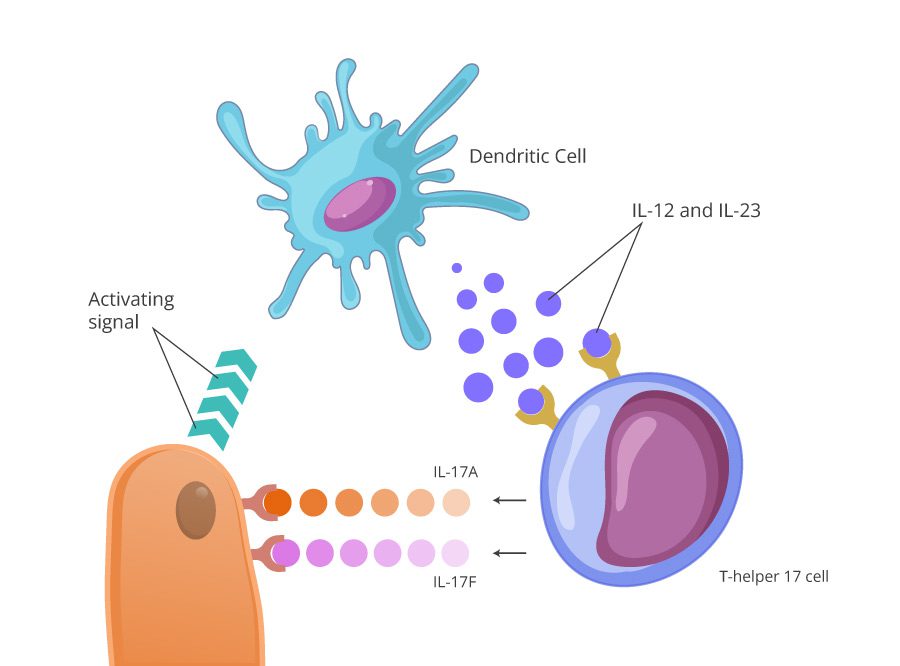
    Dendritic cells and IL12 and IL23

    T-helper cells and IL-17

    Interleukins 12 and 23 arouse another important cell in the IL-17 inflammation cascade – T-helper 17 cells (Th17). TH17 cells release six different types of IL-17, which scientists also refer as the IL-17 superfamily.

    The main patriarchs of this family are IL-17A and IL-17F. They have a special landing place on the surface of the keratinocytes, called IL17C receptor (IL17R).

    Keratinocytes

    Besides being a main barrier of our body, kerytonocytes play important role in the immune response. If you cut your skin, you’re guaranteed to damage them. So keratynocytes should have a way to alert immune system about potential breach of skin integrity. They release several important components:

    • antimicrobial peptides to fight infections localy
    • cytokines, and chemokines, that act to reinforce and enhance immune response
    Keratinocytes

    Similar response happen when IL17A and IL17F land on the keratinocyte’s surface. They trigger release of chemicals activating even more dendritic cells. A vicious inflammatory cycle between the immune system and the skin is established, leading to several hallmark changes in psoriatic skin:

    1. Inflammation;
    2. Inflitration of the skin by immune cells;
    3. Keratinocyte proliferation – an accelarated skin cell turnover.

    How Does Bimzelx Work

    Bimekizumab is a humanized monoclonal IgG1 antibody that selectively inhibits interleukin (IL)-17A and IL-17F. Scientists have engineered the fragment antigen-binding (Fab) region to bind interleukins with high affinity. A link antibody + IL-17 squares IL-17 function away.

    So Bimekizumab puts a break on a chain reaction of keratynocyte arousal, leading to postive clinical outcomes:

    • Calming down skin iflammation. The result is a notable decrease in redness, swelling, and discomfort associated with inflammatory skin conditions.
    • Halting abnormal prolifiration of Keratinocytes. Under inflammatory conditions, keratinocytes can multiply excessively, leading to the thick, scaly patches seen in psoriasis. By addressing IL-17 pathways, Bimzelx helps normalize keratinocyte turnover.
    • Turn down autoimmune reponse. Bimzelx reduces this misguided immune response, which chill the psoriasis flare-ups down.

    Approval of FDA and EMA

     Bimekizumab has demonstrated superiority in all direct comparative clinical trials:

    • Superior to ustekinumab (IL-12/23 inhibitor);
    • Better than adalimumab (TNF inhibitor);
    • Superior to secukinumab (IL-17A inhibitor).

    Bimekizumab has received approval from both the FDA and EMA for its use in treating specific inflammatory conditions:

    • Psoriasis
    • Psoriatic arthritis
    • Ankylosing Spondylitis

    Clinical trials and outcome

    In BE OPTIMAL, a multicenter, randomized, double-blind, placebo-controlled trial, Bimekizumab was to placebo in reducing joint, skin, and radiographic signs in patients with psoriatic arthritis who were naive to biologic treatments.

    In one pivotal Phase 3 trial for plaque psoriasis, Bimekizumab demonstrated a higher rate of skin clearance compared to placebo groups. The primary endpoint, measured by the Psoriasis Area and Severity Index (PASI), highlighted that up to 90% of patients achieved at least a 75% reduction in PASI scores. These successful outcomes contributed to its subsequent approval.

    Ankylosing Spondylitis Benefits

    For ankylosing spondylitis, Bimekizumab offers notable benefits. Clinical studies have reported improvements in both objective and subjective measures of disease activity. Patients experienced significant reductions in the Bath Ankylosing Spondylitis Disease Activity Index (BASDAI) scores.

    The drug works effectively to alleviate pain and stiffness associated with active ankylosing spondylitis. In trials, approximately 60-70% of patients reported achieving minimal disease activity after treatment. The sustained responses observed during follow-up periods further underscore its potential as a favorable treatment option for managing this condition.

    Bimzelx Side Effects

    Bimzelx (bimekizumab) can lead to various side effects. Understanding these effects is essential for informed decision-making regarding its use.

    Short-Term Side Effects

    Short-term side effects may occur after administering Bimzelx. Common effects include:

    • Injection site reactions: Redness, itching, or swelling may appear at the injection site.
    • Headache: Some users report experiencing headaches shortly after treatment.
    • Nausea: Gastrointestinal discomfort is another notable concern.
    • Fatigue: Feelings of tiredness can also manifest in some individuals.

    These side effects are typically mild to moderate in severity. They often resolve on their own within a few days. Monitoring your response to the medication is essential.

    Long-Term Safety Considerations

    Long-term safety is a critical aspect of Bimzelx treatment. While many individuals tolerate Bimzelx well, some potential long-term side effects include:

    • Infections: As an immunomodulator, Bimzelx may increase susceptibility to infections.
    • Allergic reactions: Some individuals may develop allergic symptoms, such as rash or swelling.
    • Changes in laboratory results: Regular monitoring of blood counts and liver function may be necessary.

    Discussing these potential outcomes with your healthcare provider is vital. They can help you weigh the benefits against these risks based on your health profile.

    Combinations with guselkumab and future of psoriasis treatment

    Combining Bimekizumab with guselkumab represents a novel approach in psoriasis management. Both medications target different pathways in the immune response, making them suitable for combination therapy.

    • Bimekizumab: Inhibits IL-17A and IL-17F.
    • Guselkumab: Targets IL-23.

    The interaction may enhance treatment efficacy, providing a more effective route for patients with moderate to severe psoriasis. Early studies suggest that dual inhibition can lead to faster and more significant skin clearance.

    You may find that combination therapies can also help mitigate the risk of developing resistance to treatment over time. Personalized medicine remains a key focus, tailoring combinations based on individual patient responses.

    Future studies will likely explore:

    1. Safety profiles: Understanding the long-term effects of combining these therapies.
    2. Efficacy outcomes: Assessing how combinations compare to monotherapies.
    3. Patient preferences: Gauging how patients respond to combined treatment regimens.

    This ongoing research aims to optimize psoriasis management, providing you with more effective and customized treatment strategies. As science evolves, look out for emerging therapies that harness this combination approach.

    Summary of Bimzelx Mechanism of Action

    Bimekizumab is a monoclonal IgG1 antibody that selectively binds to interleukin (IL)-17A and IL-17F. By blocking IL-17 from activating keratinocytes, it calms down the inflammatory and leading to significant improvement of symproms in psoriasis and psoriatic arthritis.

  • Teclistamab Mechanism of Action. Twice more Powerful

    I am Taclistamab, designed in the lab,
    A mighty bi-specific mAb.
    One end binds cancer, holding it tight,
    One end finds T-cells to join the fight.
    I help the immune system take its aim,
    And snipe myeloma, ending its game.

    How Taclistamab helps Immune System to fight Myeloma

    Teclistamab is a new approach of cancer treatment. It has two targets:

    1. CD3 receptor of an immune cell, called T lymphocyte or simply T-cell
    2. B-cell maturation antigen (BCMA) receptors on the surface some cancers, particularly myeloma cells (multiple myeloma).
    Taclistamab bi-specific antibody

    Taclistamab belongs to the broader group of biothechnology drugs, called monoclonal antibodies.

    Scientists refer monoclonal antibodies (mAbs), which can bind two targets simultaneously bispecific mAbs.

    Being bispecific can significantly boost your therapeutic value:

    1. One side of a protein can recognise a cancer
    2. Another can attach to T-cell, which fights this type of cancer

    When you bridge two cells toghether, T-cell would recognise adversary immediately and release cytotoxic chemicals to destoy cancer. The release of cancer DNA and proteins alerts other nearby cells, guiding them directly to the cancer site.

    Talistamab can initiate a strong, self-sustained immune response against multiple myeloma. It makes a drug is crucial for both advanced stage of disease or cases where cancer is resistant to the other more conventional type of treatments.

    Multiple myeloma

    Your bones has tissue, called “bone marrow”. It is a main factory of all blood cells: red (erythrocytes), white (leucocytes), and platelets (thrombocytes).

    Healthy bone marrow illustration
    Healthy bone marrow produces red and white blood cells and platelets

    Normally, your bone marrow produces 100 billion white blood cells each day to protect the body form intruders. Most of them venture to the blood, lymphoid tissues, and other organs. However, one type never leaves the area – B-cells would mature and turn inot the plasma cells. Plasma cells stay in bone marrow.

    Plasma cells are bulky, have a lifespan of 2-3 days, and produce an anourmous number of antibodies. Their main function is to learn about a foe and produce a specific proten to fight it.

    Multiple myeloma is a cancer of plasma cells. Unlike their normal counterparts, myeloma cells exhibit several distinct characteristics:

    • They aggresively multiply through cell division. As their number and volume increases, the pressure builds inside the tight spaces within the leading to pain,bone destructuion, and fractures.
    • They can hijack the supply chain redirecting the blood flow and nutrients to fuel their growth, depriving healthy tissues of the bone marrow. Clinically, it will manifest as an anemia and an immune difficiency.
    • They fabricate abnormal antibodies, called M-protein. M-protein is a junk and doesn’t fight infections. Kidneys try to keep up eliminating it, but at certain levels it would turn into the amyloid deposites in various organs, leading to organ failures.
    Myeloma cells redirects the blood flow and

    Teclistamab Background

    • Teclistamab is a bispecific monoclonal antibody against multiple myeloma.
    • It is classified as a bi-specific T-Cell engager (BiTe)
    • On October 25, 2022, FDA granted accelerated approval to teclistamab-cqyv 
    • It was developed by Janssen Biotech, Inc under the name TECVAYLI®

    Clinical Trials

    FDA granted an accelerated approval based on the clinical trial MajesTEC-1 (NCT03145181; NCT04557098), a single-arm, multi-cohort, open-label, multi-center study.

    Patients, who had previously received at least four more conventional therapies for myeoloma (and still relapsed) have been given the taclistamab. Among 110 in the treatment group, 61.8% acheived a partial or complete remission.

    Mechanism of Action

    The drug targets the B-cell maturation antigen (BCMA) on malignant plasma cells and CD3 on T cells.

    CD3 is protein specific to normal T-cells. It has three chains with the longest having a similar structure to antibody. Tha’s why CD3 belongs to antibody superfamily.

    It triggers an initiall stage of immune reaction, so many scientists consider it “a gas or a brakes” of an immune cascade.

    Step 1. Activation of T-Cells

    Upon binding to CD3, T-cells undergo activation, leading to several crucial responses:

    • Increase in cytokine production, especially interferon-gamma and tumor necrosis factor-alpha.
    • Being cytotoxic, different cytokines recruite even more immune cells to the cancer site.

    Once several cancer cells are destroyed and their by-products enter the bloodstream, more immune cells get attracted by the myeloma site. Scientists call this phenomena amplification of immune response.

    This amplification of the immune response is essential for improving therapeutic outcomes but also reponsible for serous side effects, such as Cytokine release syndrome and Immune Effector Cell-Associated Neurotoxicity Syndrome (ICANS).

    Step 2. Binding to the Myeloma Cell

    BCMA is a valid theraupeutic target, as health plasma cells do not usually express them, while myeloma cells enjoy this “decorum” on their membraines. BCMA helps cancer cell to survive and proliferate.

    Taclistamab cancer demise

    The activation and proliferation of T-cells lead to a direct cytotoxic effect on myeloma cells. Once activated, T-cells release perforins and granzymes, inducing apoptosis in targeted cancer cells.

    The localized action of teclistamab allows for effective tumor cell elimination while sparing surrounding healthy tissue. This targeted approach maximizes therapeutic benefits and minimizes adverse effects, contributing to an effective treatment for multiple myeloma.

    Clinical use of Teclistamab

    Teclistamab plays a significant role in treating multiple myeloma, particularly for patients with limited treatment options. This section outlines its place in therapy and the recommended treatment regimen.

    Place of Teclistamab in Myeloma Treatment

    Teclistamab is indicated for patients with relapsed or refractory multiple myeloma who have received at least four prior lines of therapy:

    • liproteasome inhibitors;
    • immunomodulatory agents;
    • anti-CD38 therapies.

    The drug targets B-cell maturation antigen (BCMA), which is critical myeloma life cycle. Solid results from the clinical trials inspire an optimism among researchers and clinicians, suggesting they may soon have a tool to target resistant cancer — a potential breakthrough.

    Treatment Regimen and Dosage

    Teclistamab is typically administered via subcutaneous (under the skin) injection. The initial dose is 1500 µg, followed by maintenance doses of 750 µg.

    Dosing is conducted every week for the first month and then once every two weeks. It’s essential to monitor for potential adverse effects, which may include cytokine release syndrome (CRS).

    Careful patient selection and monitoring can help maximize the benefits of teclistamab while minimizing risks. Regular follow-ups ensure timely management of side effects and dosage adjustments if necessary.

    Teclistamab Side Effects

    Teclistamab can lead to a variety of side effects. Understanding these effects is crucial for managing them effectively during treatment.

    Cytokine Release Syndrome

    Cytokine Release Syndrome (CRS) is a common reaction associated with Teclistamab. It occurs when the immune system is activated rapidly upon exposure to the drug.

    You may experience symptoms ranging from mild to severe.

    Common symptoms include:

    • Fever
    • Chills
    • Nausea
    • Fatigue
    • Headache

    Severe cases can lead to hypotension and difficulty breathing. Monitoring for signs of CRS is essential, particularly in the days following administration.

    CRS Symptoms

    Symptoms of CRS can manifest quickly, often within hours of treatment. Early recognition is key to managing this reaction.

    Mild symptoms may resolve with supportive care.

    Severe reactions might require treatment interventions such as corticosteroids or anti-inflammatory medications. If symptoms worsen, it is vital to contact your healthcare provider immediately.

    Immune Effector Cell-Associated Neurotoxicity Syndrome (ICANS)

    Immune Effector Cell-Associated Neurotoxicity Syndrome (ICANS) is another serious potential side effect of Teclistamab. This condition can affect the central nervous system and may occur concurrently with CRS.

    Symptoms typically include confusion, difficulty speaking, or seizures. The severity of ICANS can vary, and monitoring is crucial.

    If you notice any neurological changes, communicate these to your healthcare team.

    Management may involve steroid treatment or close observation depending on severity. Your doctor will determine the best approach based on your specific situation.

    Teclistamab and Future of Myeloma Treatment

    Teclistamab represents a significant advance in myeloma treatment. It targets both B-cell maturation antigen (BCMA) and CD3, engaging T-cells to attack myeloma cells.

    Key Benefits:

    • Dual-target mechanism: By targeting BCMA, teclistamab effectively directs the immune response against malignant plasma cells.
    • Durable responses: Early studies suggest that this therapy can lead to prolonged remission in patients with previously treated myeloma.

    Clinical Trials:

    Ongoing trials are investigating teclistamab’s efficacy and safety compared to standard treatments. These studies are crucial for understanding its role in the treatment landscape.

    Considerations for Clinicians:

    • Combination therapies: Teclistamab may be used in combination with other treatments, enhancing its effectiveness.
    • Diverse patient populations: It is being tested across various stages of myeloma, which may broaden its applicability.

    Future Implications:

    As more data emerges, teclistamab could redefine treatment protocols. Its innovative approach may lead to new standards of care in managing myeloma, offering more avenues for relapsing and resistant cases of this cancer.

    Summary of mechanism of Action of Taclistamab

    Teclistamab has two binding sites, that brings two cells toghether:

    • Our foe, containing BCMA (B-cell maturation antigen)
    • Our friend, expressing CD3 on T-cells

    This dual-targeting capability allows the antibody to bridge the gap between T-cells and malignant cells effectively.

    This bridging facilitates a localized immune response, directing T-cells precisely where they are needed. The specialized design of teclistamab enhances its ability to engage the immune system directly against tumor cells while minimizing damage to normal tissues.

  • Lecanemab Mechanism of Action: the First Alzheimer’s Drug that Works?

    Lecanemab Mechanism of Action: the First Alzheimer’s Drug that Works?

    Lecanemab is an IgG1 monoclonal antibody that binds and eliminates building blocks of amyloid plaques in the brain, thus helping to slow progression of Alzheimer disease.

    Table of Contents

    Lacenemab: Discovery and Approval

    Lecanemab (brand name Leqembi) was discovered by BioArctic, a Swedish biopharmaceutical company, in collaboration with Eisai Co., Ltd.

    Since 2005 the team of Swedish biotech company BioArctic has been looking for a potential “cleaner of beta-amyloid protein deposits” in the brain. Previous studies have shown that beta-amyloid protein, which scientists believe to be “a brain junk“, plays a crucial role in the progression of Alzheimer’s disease.

    Beta amyloid plaques

    At the start, lecanemab showed promising results in removing amyloid plaques in the brain. With phase II trials lecanemab showed main virtue of the sucessful meidication:

    “the larger was a dose of the lecanemab; the better was the effect in removing amyloid debris”

    The pivotal Phase III trial, known as Clarity AD cemented potential status as first Alzheimer’s breakthrough with 27% slowdown of disease progression comparing with placebo after 18 month of treatment.

    Key Approval Timeline:

    • July 2022: FDA granted Priority Review
    • January 6, 2023: Received accelerated approval from the FDA
    • July 6, 2023: Gained traditional FDA approval based on Phase III results

    The FDA’s traditional approval represented a significant milestone as one of the first disease-modifying treatments for Alzheimer’s disease. Regulatory agencies in Japan and China approved lecanemab in September and December 2023, respectively.

    The European Medicines Agency (EMA) followed with approval in early 2024, expanding global access to this novel treatment approach for early Alzheimer’s disease.

    Normal and Alzheimer's cell

    Lecanemab in Alzheimer Disease

    Lecanemab represents a significant advancement in Alzheimer’s disease treatment through its targeted approach to amyloid beta aggregation. Recent clinical trials have demonstrated its efficacy in slowing cognitive decline in early-stage Alzheimer’s disease patients.

    What is Alzheimer?

    Alzheimer’s disease (AD) also known as Alzheimer dementia accounts for 80% of all cases of memory loss. It affects approximately 6.5 million Americans and is projected to nearly triple by 2060 as the population ages. There are three main features of AD:

    • The decline of cognitive abolities is serious enough to interfere with daily activities
    • AD is progressive disorder, so it worsens over time
    • There is no cure for the Alzheimer’s dementia and till the recent years there was no reliable medication to slow the progression of this dibilitating disease
    Alzheimer's brain

    Changes in Alzheimer’s Brain

    Now let’s take a microscope and look at the AD’s brain tissues. There are two main “hystological landmarks” that you don’t usually see in normal brains:

    • amyloid beta plaques, discovered by no other than Dr. Alois Alzheimer
    • tau neurofibrillary tangles, not as speciifc, as the amyloid debris, as tangles are found in other neurological disorders called taupaties, but stiil a significant biomarker of AD.

    Apart of playing a role of “biomarkers”, which help to diagnose the disease, these protein aggregates have a significant role in development and progression of AD.

    Role of Amyloid Beta

    Amyloid beta (Aβ) is a soluble protein found in healthy brain cells. Although scientists are still puzzling out what it is, evidence suggests it might help neurons to grow and survive. Some researchers believe it has anti-cancer activities and helps glia cells (neural babysitters) to repulse infections and pathogens.

    As in many molecules, Aβ has different forms: some of them good and some of them not. A low level of Aβ-42 in blood and CFS, and a high level of Aβ-40 is certainly toxic for our brain and are associated with cognitive decline. The test measuring their ratio in the blood is approved in the USA as an early biomarker of Alzheimer’s disease.

    Toxic Aβ residues bind each other forming a toxic soluble component called oligomer. Many labs developed a test to measure the level of the Aβ Oligomer as an early marker of AD.

    Beta Amyloid Pathway

    Amyloid oligomers continue to aggegragate forming protofibrilmain target of lecanemab, which is also an intermidiary product in so called “Amyloid aggregation pathway”. Still soluble, several protofibrils form a mature fibril, which precipitates and forms a an amyloid debris.

    Life of neural cells gets significantly distrupted by amyloid junk:

    • It slows down neural impulses
    • It attract attention of the immune system, that promotes inflammation of the neurons
    • It disrupts neaural recovery and stresses out neural cells

    Previous Attempts to Target Amyloid

    Solanezumab is a humanized monoclonal IgG1 antibody directed against amino acids13–28 of amyloid. It recognizes soluble monomeric Aβ and does not recognize amyloid plaques. The drug has been tested both in sporadic and familial AD patients and failed to show any clinical improvement.

    Crenezumab binds oligomeric and fibrillar Aβ with high affinity, promising

    Gantenerumab is a fully human IgG1 antibody that binds Aβ fibrils. It has two epitopes on Aβ: one in the N-terminal region (amino acids 3–11) and another in the central region (amino acids 18–27). Clinical trials showed it is 8% more effective than placebo, which is disappointing.

    Second-generation antibodies like aducanumab showed more promise. However, conflicting trial results and concerns about amyloid-related imaging abnormalities (ARIA) complicated its regulatory path.

    Several gamma-secretase inhibitors also failed in trials due to off-target effects and safety concerns. Beta-secretase inhibitors similarly disappointed, highlighting the complexity of targeting the amyloid pathway effectively.

    Lecanemab in Action

    Amyloid-beta Targeting

    Lecanemab is an IgG1 monoclonal antibody that selectively binds to soluble Aβ protofibrils. The precise binding site is still a secret, but studies hint it lies between amino acids 1 and 15 of Aβ.

    The antibody binds with high affinity to amyloid-beta protofibrils, creating immune complexes that can be cleared through various elimination pathways:

    • Microglia cells, which combine functions of bodyguard and babysitter for neurons, would devour fibrills marked by the Lecamab
    • Direct neutralization of toxic protofibrils by antibodies

    How effective is lecanemab for Alzheimer’s disease

    Clinical trials have demonstrated significant efficacy for lecanemab in early Alzheimer’s disease. The phase 3 CLARITY-AD trial showed a 27% slowing of cognitive decline compared to placebo over 18 months, as measured by the Clinical Dementia Rating Scale.

    Lecanemab and dendritic cells

    Biomarker studies confirm lecanemab substantially reduces amyloid plaques 65-80% as shown during pet imaging of patients receiving lecanemab.

    The drug demonstrates greater efficacy when administered on early stages of the disease, particularly in patients with mild cognitive impairment or early signs of AD. Treatment benefits appear dose-dependent.

    Despite measurable benefits, lecanemab does not halt disease progression completely. Treatment effects are relatively modest in terms of slowing rates of cognitive decline, resulting in 4-6 month delay in symptom progression.

    How Would you Take Lecanemab

    The doctors administer lecanemab via I.V. route. Medical supervision is must, as studies showed 28% of patients receiving lecanemab compalined post-injection complications.

    Before you take lecanemab

    Patients should undergo comprehensive medical evaluation before starting lecanemab treatment. This includes brain MRI scans to assess for amyloid-related imaging abnormalities (ARIA) and to establish a baseline for monitoring.

    Genetic testing for APOE ε4 allele status may be recommended, as carriers have a higher risk of developing ARIA. Healthcare providers should review the patient’s complete medication list to identify potential interactions.

    Patients with a history of cerebral hemorrhage, unstable cardiovascular disease, or certain autoimmune conditions may not be suitable candidates. A thorough discussion about potential benefits and risks should take place before initiating treatment.

    Medical professionals must ensure patients understand the commitment to regular infusions and monitoring appointments. Patients should report any new neurological symptoms immediately during treatment.

    Does Lecanemab interact with other medications

    Lecanemab may interact with anticoagulant and antiplatelet medications, potentially increasing the risk of cerebral hemorrhage. Patients taking warfarin, direct oral anticoagulants, or antiplatelet drugs require careful monitoring.

    Combinations of monoclonal antibodies targeting amyloid has not been studied and is not recommended. Potential interactions with cholinesterase inhibitors and memantine (common Alzheimer’s medications) appear minimal based on available data.

    Medications that affect the immune system might theoretically impact lecanemab’s efficacy, though clinical evidence is limited.

    Is it Safe to Take Lecanemab?

    Safety concerns with lecanemab primarily revolve around amyloid-related imaging abnormalities (ARIA) and practical monitoring requirements for patients undergoing treatment.

    Previous trials show

    The pivotal Phase 3 CLARITY-AD trial provided crucial safety data for lecanemab. Among 898 participants receiving the drug, approximately 21.3% developed ARIA-E (edema) compared to 9.3% in the placebo group. Most ARIA-E cases were asymptomatic, detected only through routine MRI monitoring.

    ARIA-H (hemorrhage) occurred in 17.3% of lecanemab-treated participants versus 9.0% in the placebo group. The trial reported 0.7% mortality in both treatment and placebo arms, suggesting no significant increase in death rate.

    Safety monitoring included regular MRIs during the first 14 weeks of treatment. APOE ε4 carriers showed higher ARIA risk, with 30.8% of homozygotes developing ARIA-E compared to 13.2% in non-carriers.

    Potential side effects

    Infusion-related reactions represent another significant concern, affecting 26.4% of lecanemab recipients compared to 7.4% in the placebo group. These reactions typically manifest as flu-like symptoms, headache, or nausea during or shortly after administration.

    Most infusion reactions occur during early treatments and diminish with subsequent doses. Premedication with antihistamines, antipyretics, or corticosteroids may help manage these reactions.

    Other reported side effects include headache (17%), falls (17%), and diarrhea (9%). Serious adverse events occurred in 14% of lecanemab-treated participants versus 11% in the placebo group.

    Long-term safety data remains limited as the longest clinical trials lasted 18 months. Ongoing monitoring through registry studies and post-approval surveillance will provide critical information about rare side effects and long-term safety profiles.

    Other promissing drugs to treat Alzheimer

    While Lecanemab offers a promising approach to treating Alzheimer’s disease, several other therapeutic candidates are in various stages of development. These emerging treatments target different pathological mechanisms and aim to either slow disease progression or alleviate symptoms through novel pathways.

    Potential Therapeutic targets for Alzheimer disease

    Tau protein aggregation represents a significant therapeutic target beyond amyloid. Anti-tau antibodies like Zagotenemab and Semorinemab aim to prevent tau tangles formation and spread. Though recent trials have shown mixed results, ongoing research continues to refine these approaches.

    Neuroinflammation modulation offers another promising avenue. Drugs targeting microglial activation, such as GC021109 and masitinib, show potential by dampening inflammatory responses in the brain that contribute to neurodegeneration.

    Metabolic dysfunction correction through drugs like T3D-959, which targets PPAR delta/gamma pathways, addresses glucose metabolism abnormalities common in Alzheimer’s patients. This approach recognizes the “type 3 diabetes” hypothesis of Alzheimer’s disease.

    Neuroprotective strategies utilizing compounds like Blarcamesine (ANAVEX2-73) aim to activate sigma-1 receptors, potentially reducing oxidative stress and improving cellular resilience. Early clinical trials have shown promising cognitive benefits.

    Current Alzheimer pipeline

    Donanemab, developed by Eli Lilly, has shown promising results in Phase 3 trials with significant plaque reduction and slowed cognitive decline. It received Breakthrough Therapy designation from the FDA in 2021.

    Gantenerumab, while failing to meet primary endpoints in pivotal trials, continues development with modified dosing strategies. Swiss pharma giant Roche remains committed to exploring its potential benefits.

    ACI-35 represents a novel vaccine approach targeting pathological tau. This immunotherapy stimulates antibody production against phosphorylated tau without triggering harmful autoimmune responses.

    Small molecule approaches include SAGE-718, an NMDA receptor modulator showing improvements in executive function in early trials. PQ912, a glutaminyl cyclase inhibitor, aims to reduce production of pyroglutamate-modified Aβ, a particularly toxic form.

    Non-pharmaceutical treatment of Alzheimer disease

    Cognitive stimulation therapy (CST) provides structured activities designed to enhance cognitive function and social interaction. Multiple studies demonstrate moderate improvements in cognition and quality of life when delivered in group settings.

    Physical exercise programs show remarkable benefits with aerobic activities like walking potentially slowing cognitive decline. Research indicates 150 minutes of moderate exercise weekly may help maintain cognitive function.

    Dietary interventions, particularly the MIND diet (Mediterranean-DASH Intervention for Neurodegenerative Delay), have shown promising results. This approach emphasizes leafy greens, berries, nuts, and limits red meat and processed foods.

    Multimodal approaches combining lifestyle interventions yield synergistic benefits. The FINGER study demonstrated that simultaneous nutritional guidance, exercise, cognitive training, and vascular risk monitoring significantly reduced cognitive decline compared to single interventions.

    Summary

    Lecanemab is a monoclonal antibody designed to target and remove amyloid beta (Aβ) plaques in Alzheimer’s disease. It specifically binds to soluble Aβ protofibrils, which are considered more neurotoxic than other forms of amyloid aggregates.

    The drug works through immunotherapy principles by recognizing the N-terminus of Aβ protofibrils with high selectivity. This binding gives a signal to glia to clear amyloid plaques.

    Clinical trials have demonstrated lecanemab’s effectiveness in reducing amyloid plaque burden by approximately 27% compared to placebo groups. PET imaging studies confirm significant reductions in brain amyloid levels following treatment.

    The mechanism involves three key steps:

    • selective binding to protofibrils,
    • recruitment of microglia,
    • clearance of Aβ aggregates.

    This targeted approach minimizes interactions with monomeric Aβ, which may have physiological functions in the brain.

    Lecanemab’s specificity distinguishes it from earlier anti-amyloid antibodies. By focusing on protofibrils rather than all amyloid forms, it satnds out as a safer and more specific option.

    The drug’s concentration in brain circulation is 500 time less of its level in peripheral blood. Although it might seem to be poor result for any small molecule, lecanemab crosses blood brain barrier much better than other representatives of the class.

  • Mechanism of Action of Nivolumab. Beating a Devil’s Advocate

    Mechanism of Action of Nivolumab. Beating a Devil’s Advocate

    Nivolumab helps your immune system fight cancers by blocking the tumor’s ability to evade the immune response.

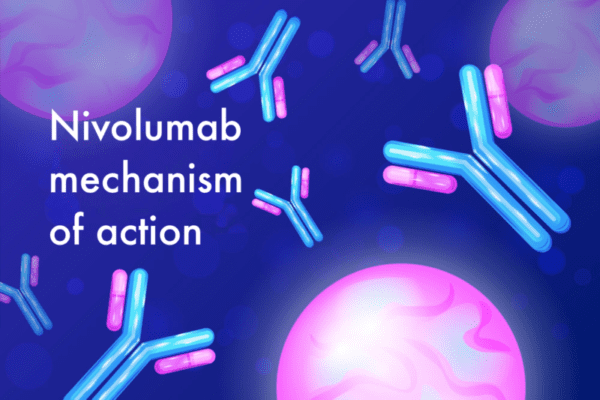
    Nivolumab mechanism of action

    The main target of Nivolumab (brand name is Opdivo) is the Program Death protein (PD-1). Many immune cells have this receptor, the active form of which works as a brake for an immune response.

    Negative Checkpoint Proteins

    Imagine a cancer cell is put on trial. There is positive evidence that screams “guilty,” helping prosecutors cell to lay down a compelling case:

    1. Genetic mutations,
    2. Hijacked signaling pathways,
    3. Angiogenesis

    At the same time, there is always confusing evidence, perhaps even some that whispers “not guilty”—at least, not entirely.

    Negative checkpoint proteins comprised a latter group, and for tumor cells, they can play the role of “Devil’s advocate“, helping them to evade prosecution.

    PDL-1 and PD-1 complex is also called a negative immune checkpoint

    There are several types of negative checkpoint proteins, with PD-1 and CTLA-4 primary targets of novel anti-cancer drugs.

    Program Death Protein 1 (PD-1)

    The PD-1 receptor is a transmembrane protein comprising 288 amino acids. It is normally present on various immune cells, playing a huge role in the upregulation of an immune response:

    • B cells – the main type of antibody-producing cells;
    • T cells – part of the adaptive immune response, “elite forces” of your immune system, which receive training to recognise and eliminate bugs;
    • Natural killer (NK) cells usually represent the first line of defence.

    One particular subtype of T-cells, called Tumor-Infiltrating Lymphocytes (TIL), expresses abundant quantities of PD-1 receptors on their surface. TILs are responsible for finding and killing suspicious cancer-like cells in your body. This natural cancer monitoring tool is highly effective, cleaning around 20 cancer cells each day.

    How Does Cancer Immunity Work

    T-cell is a subtype of lymphocyte that can kill cancer cells by recognizing and binding particular receptors on the surface of a tumor cell

    The immune system works around the clock to find abnormal cells. TILs monitor billions of cells to check if they have any suspicious features – special proteins that might suggest these cells harbor some cancer traits and can potentially be a threat to the host.

    Imagine every second, TILs conduct a risk survey, analyzing both positive and negative evidence, before making a decision.

    If the evidence is overwhelmingly positive, the cells would be destroyed. One of those whistle-blowers is TCR (T-cell receptor), alerting the immune system of potential abnormalities such as cancerous major histocompatibility complex (MHC).

    On the other side of the scale is a PD-1, which works as a cell’s best advocate. In the case of melanoma, it is an advocate of the devil.

    By binding to the PD-1 receptor of cancer-killing cells, Nivolumab blocks one of the most important ways for tumor cells to escape the immune radar and evade the prosecution.

    Nivolumab, in nutshell is cancer anti-sparing medicine, helps immune system to be a tune for any suspects.

    Another prominent PD-1 inhibitor is Pembrolizumab, better known under the brand name Keytruda.

    PD-1 and cancer cells

    Cancers have a few tricks to slip from the radar of the immune system.

    Activating PD-1 is crucial for the survival of many cancers, like melanoma, renal cell carcinoma, astrocytoma, or colorectal cancer.

    To activate a “negative checkpoint,” they all express two types of Program Death Ligands – PD-L1 and PD-L2.

    PD-L1 are extremely aboundant on the surface of some types of melanoma and other solid tumors
    PD-L1 are extremely aboundant on the surface of some types of melanoma and other solid tumors

    Once the immune cell comes closer to inspect a the cancer one, the ligand PD-L1 would activate a PD-1, keeping tumor cells out of suspicion.

    PD-L1 in tumors

    According to the research, only one in three cancers express PD-L1. Particularly, some solid tumors are pretty good at producing the ligands on the surfaces of their cells:

    •  an ovarian cancer;
    • a melanoma;
    • a lung cancer.

    PD-L2 in tumors

    PD-L2, having a similar structure to PD-L1, creates a better and stronger bond with PD-1. Studies estimate the binding affinity of PD-L2 is two to sixfold higher.

    PD-L2 is found in many epithelial cancers and B-cell lymphomas.

    How does Nivolumab bind the PD-1?

    Paul Gauguin, a famous painter, once told his friend Bernard: “Do not copy nature. Art is an abstraction”. Although much of the art history of the 20th century proved it was worthy of advice, modern scientists still consider imitation to be one of the greatest tools in their arsenal.

    Nivolumab is a mere antibody. Our immune system produces billions of them each day to eliminate unwanted and harmful agents. A few things make Nivolumab special:

    1. It is monoclonal (mAb) – all copies of it have the same structure and represent the same class and a serotype of IgG.
    2. It is fully human – the structure is identical to a normal human antibody, which helps to stay longer in our bodies without eliciting our immune reaction.
    3. It belongs to the family of immune checkpoint inhibitors.
    4. It binds to a Program Death protein 1 with affinity and specificity. A single dose of nivolumab can link up to around 85% of all PD-1 receptors, and after 24 hours, around 70%.

    When Nivolumab connects to the PD-1 receptor on a T-cell or NK-cell it blocks PD-1’s ability to couple with PD-L1 or PD-L2, preventing a cancer cell from abusing this evasion route and getting off the immune radar.

    Nivolumab cancer demise

    What Cancers Can Nivolumab Treat?

    Nivolumab was developed by Bristol-Myers Squibb and received FDA approval in 2014, initially for treating metastatic melanoma.

    Over time, its applications expanded to cover multiple cancers:

    1. Melanoma

    Nivolumab was first approved for unresectable or metastatic melanoma. It demonstrated high efficacy, particularly in cases where other treatments failed.

    2. Non-Small Cell Lung Cancer (NSCLC)

    A significant milestone in the treatment of NSCLC, Nivolumab has shown effectiveness in patients with advanced or metastatic disease, especially after the failure of chemotherapy.

    3. Renal Cell Carcinoma (RCC)

    For advanced kidney cancers, Nivolumab improved overall survival rates compared to previously established treatments like everolimus.

    4. Head and Neck Squamous Cell Carcinoma (HNSCC)

    Nivolumab is particularly beneficial for recurrent or metastatic HNSCC with progression on or after platinum-based therapy.

    5. Classical Hodgkin Lymphoma (cHL)

    The ability of Nivolumab to respond to immune-evasive hematological cancers, such as cHL, has expanded its utility in hematological oncology.

    6. Colorectal Cancer (CRC)

    Certain CRC cases with mismatched repair deficiency (dMMR) respond well to Nivolumab due to high mutational burden, making the tumors more “visible” to the immune system.

    Nivolumab is an anticancer monoclonal antibody

    What Are the Side Effects of Nivolumab?

    Like all therapies, Nivolumab carries potential risks. Its immune system activation can lead to immune-related adverse events (irAEs), affecting both efficacy and tolerability. Below are some common and rare side effects:

    Common Side Effects:

    • Fatigue
    • Rash and skin reactions such as pruritus
    • Diarrhea or colitis
    • Musculoskeletal pain
    • General fever or flu-like symptoms

    Immune-Related Adverse Events (irAEs):

    These occur due to heightened immune activity and may involve any organ system. Examples include:

    • Lungs (Pneumonitis). If you are short on breath or have a persistent cough, please let your doctor know, as Nivolumab might increase the risks of your lung tissues being damaged.
    • Liver (Hepatitis): your doctor will check your liver function tests to ensure the enzymes are not elevated
    • Endocrine Disorders: Some normal endocrine cells express small quantities of PDL-1 and can be targeted by the immune system. Although recent studies haven’t found a link between PDL-1 expression and endocrine complications of nivolumab treatment, the doctor might check the levels of thyroid or pituitary hormones and request an ultrasound or MRI to check up on your glands.
    • Gut (Colitis): in rare cases, severe inflammation of the digestive tract may develop, prompting your doctor to check your stool for potential inflammatory signs or request a colonoscopy.

    While these side effects are typically manageable, it’s essential to let your doctor ASAP if you experience any problems and do your prescribed routine tests on time.